
USDA Sec. Rollins Visits Mississippi, Hears Producers Concerns, Vows Help on the Way
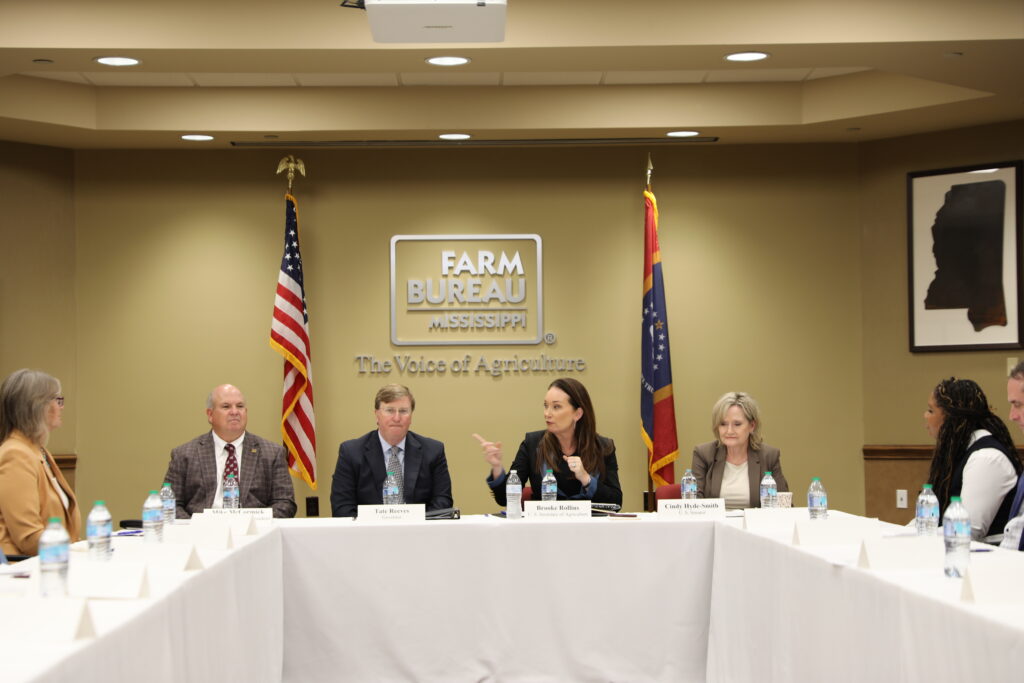
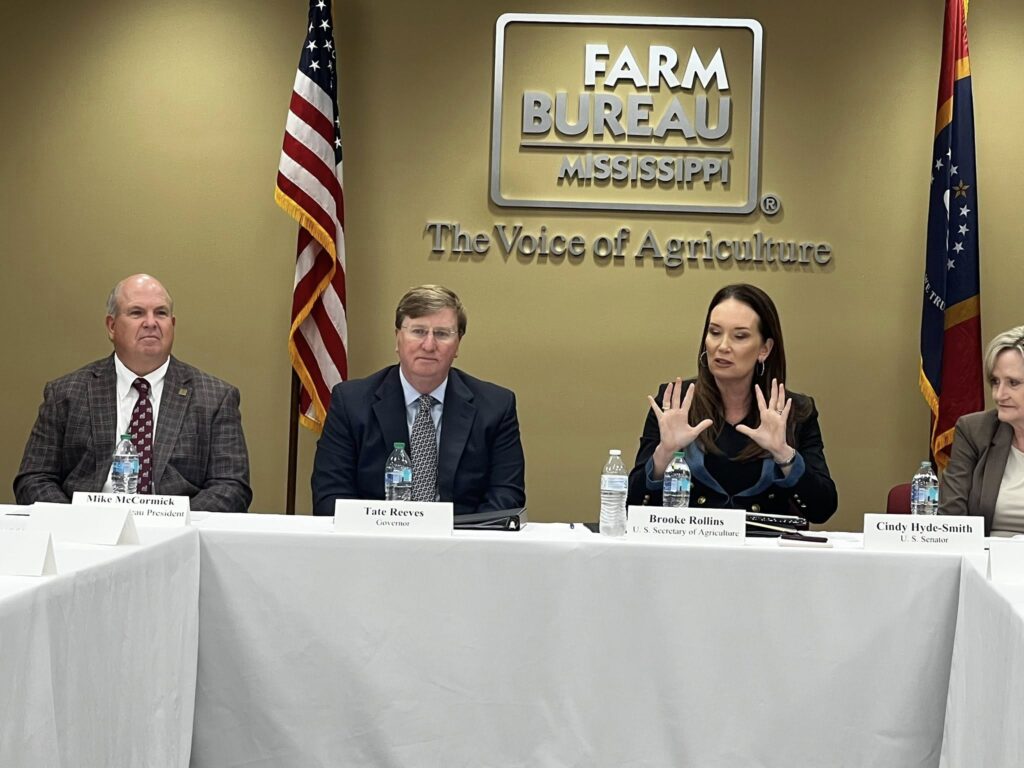
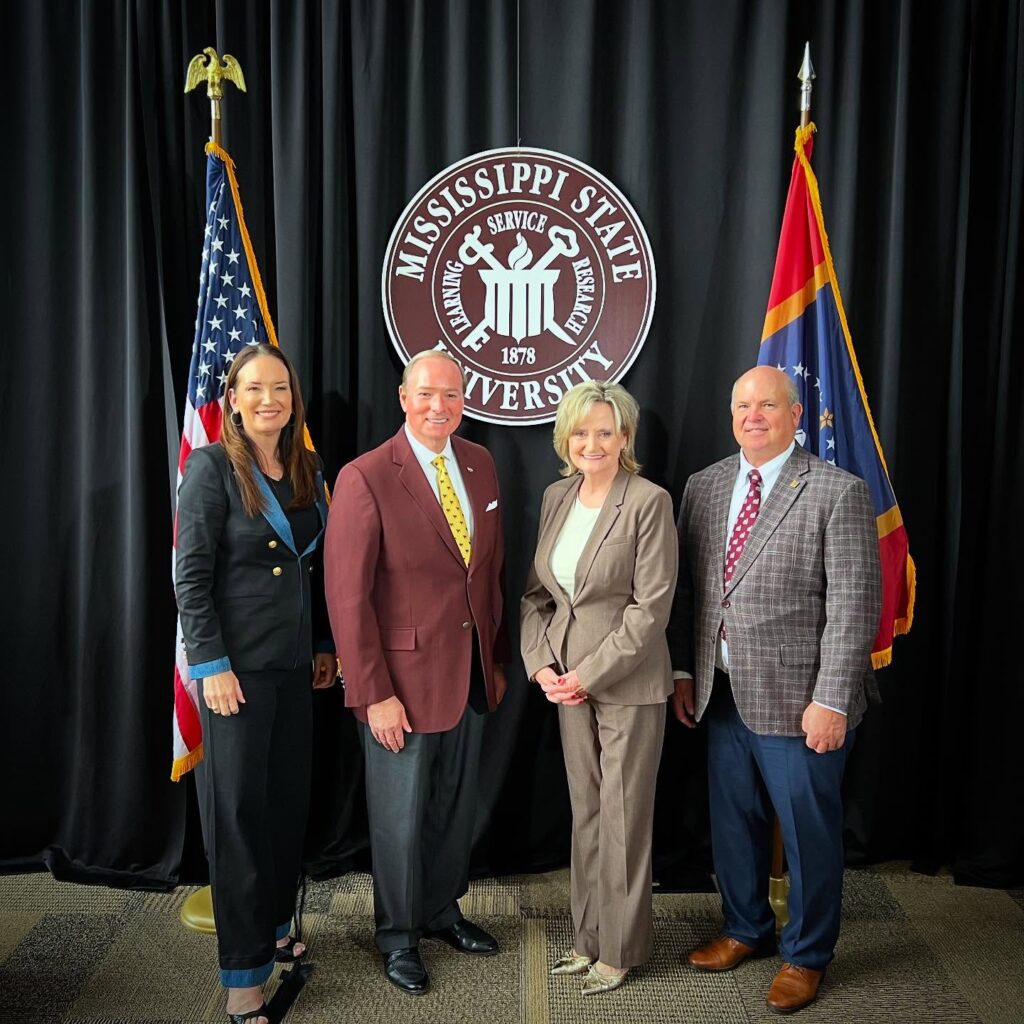
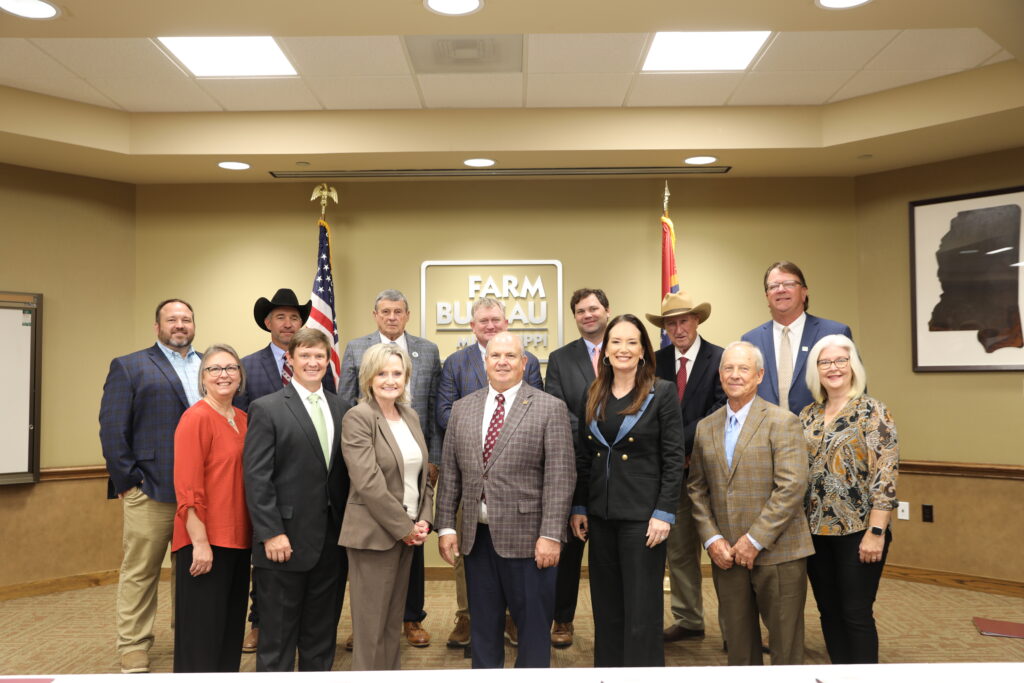
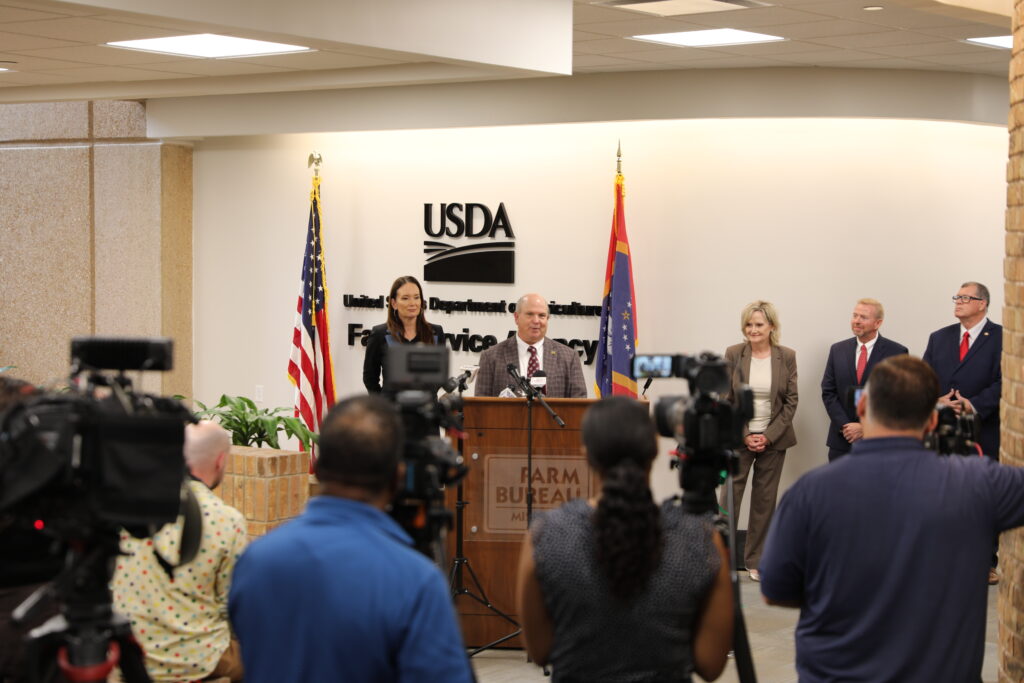
For the first time in the 103-year history of Mississippi Farm Bureau Federation, the USDA’s Secretary of Agriculture, United States Senator, and sitting Mississippi Governor were all in the state office at the same time…to listen to farmers and ranchers representing their operations and commodities. The voice of Mississippi agriculture working for the improvement of rural Mississippi and operations statewide.
“That’s why we do what we do,” said Mike McCormick, Mississippi Farm Bureau Federation President. “We can group people from small areas—small farms, big farms—and put them together as a powerful voice and then, collectively, we can have a voice with people like Secretary Rollins to come in and talk about the issues nationally, because agricultural issues are generally the same all over the country but different from one area to the next. So, our people got to talk about what is important on their farms in rural town Mississippi.”
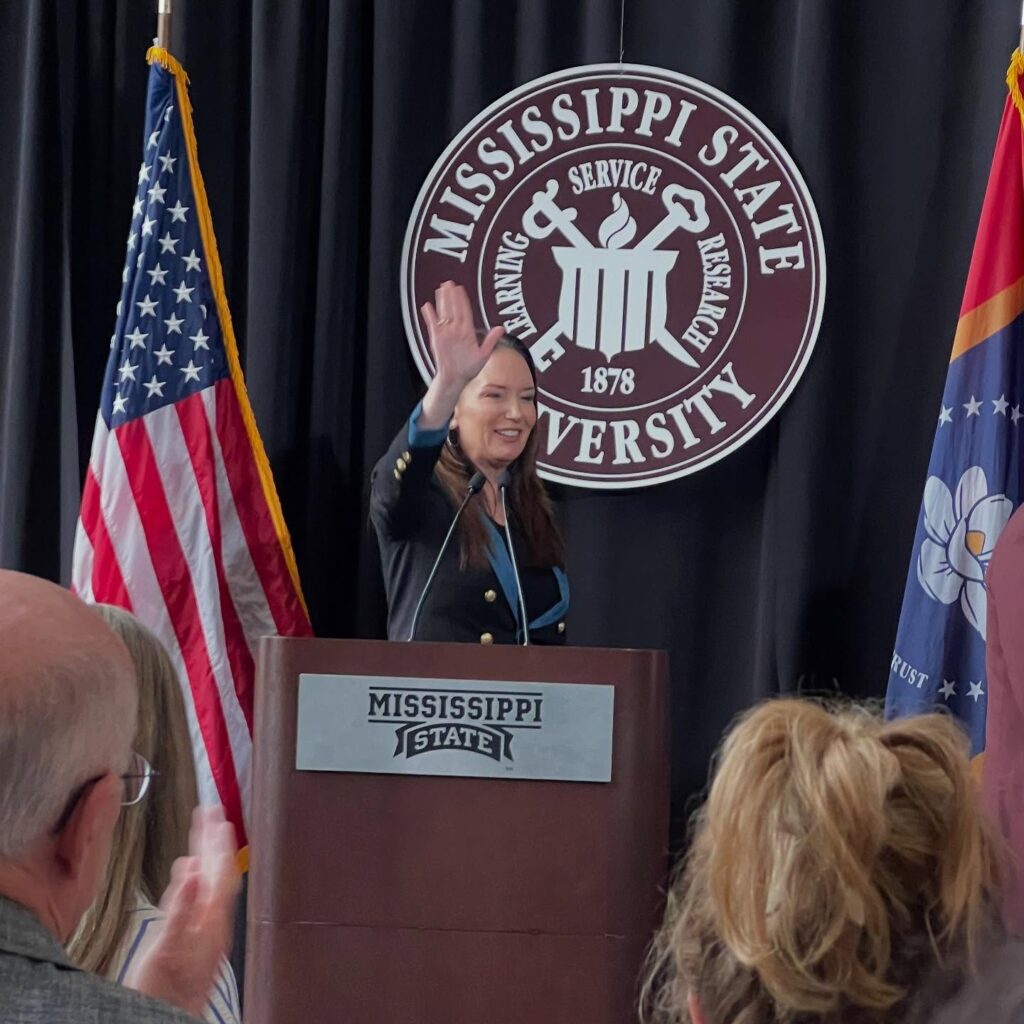
Secretary of Agriculture Brooke Rollins visited Mississippi for the first time since taking over at USDA. She first visited MSU’s School of Veterinary Medicine announcing a commitment to increase the number of large animal vets across the nation acknowledging their role in protecting the nation’s food supply.
Then arriving in Jackson, with Senator Cindy Hyde Smith and Governor Tate Reeves to hear directly from farmers in a tough economic environment, one that may see several farms close for good.
“The equity in farming operations is eroding, and we’ve got a lot of farmers that are really at the end of what they can withstand with continuing to farm,” said Patrick Johnson, National Cotton Council President and Mississippi Farm Bureau member.
One by one, each farmer outlined their needs, and in Patrick Johnson’s case, the needs of cotton farmers across the nation. But for this meeting, Secretary Rollins heard from row crop and livestock producers.
“We’re facing the same challenges really that all row crops that are grown in Mississippi,” said Johnson. “Our costs of production are just too high compared to what our commodity markets are right now, and we’ve made some progress in getting some help and getting some improvements to the safety net, but until these markets improve, we’re going to continue to advocate for some kind of safety net that can put a floor under producers.”
“Our row croppers are in a farm economy that has not been this tenuous in decades and there are a lot of reasons for that – inflation, interest rates, cost of inputs, no new trade deals under the last administration,” said USDA Secretary of Agriculture Brooke Rollins.
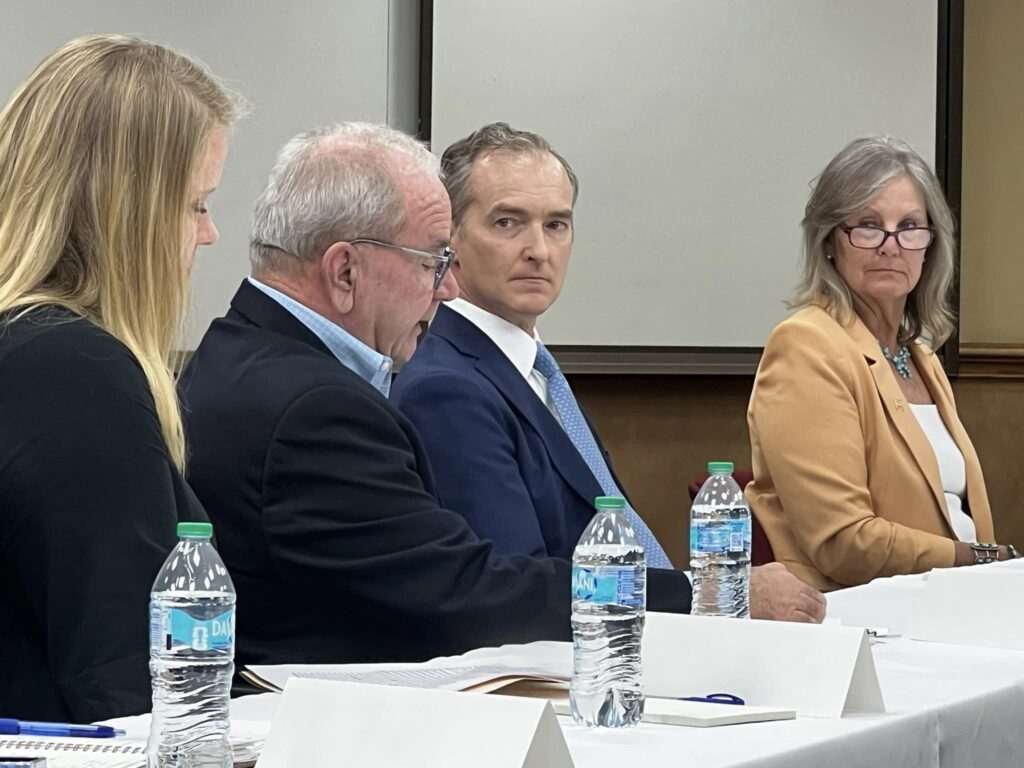
“The Ag sector is not in the best financial help right now, but they’re committed, and they’re looking at ways, and I heard some really positive things that are out there that’s going to develop to come to help our farmers,” said McCormick.
State Farm Bureau Presidents from Arkansas and Louisiana lended their voice to the discussion to impress upon these leaders that farmers in their states as well as in Mississippi are hurting.
“They’re not sure if they’re going to make it through this season,” said Dan Wright, Arkansas Farm Bureau President. “They’re out harvesting crops right now that they may not be able to come out on, and if they could just break even this year, they’re going to be happy. So, it’s a struggle.
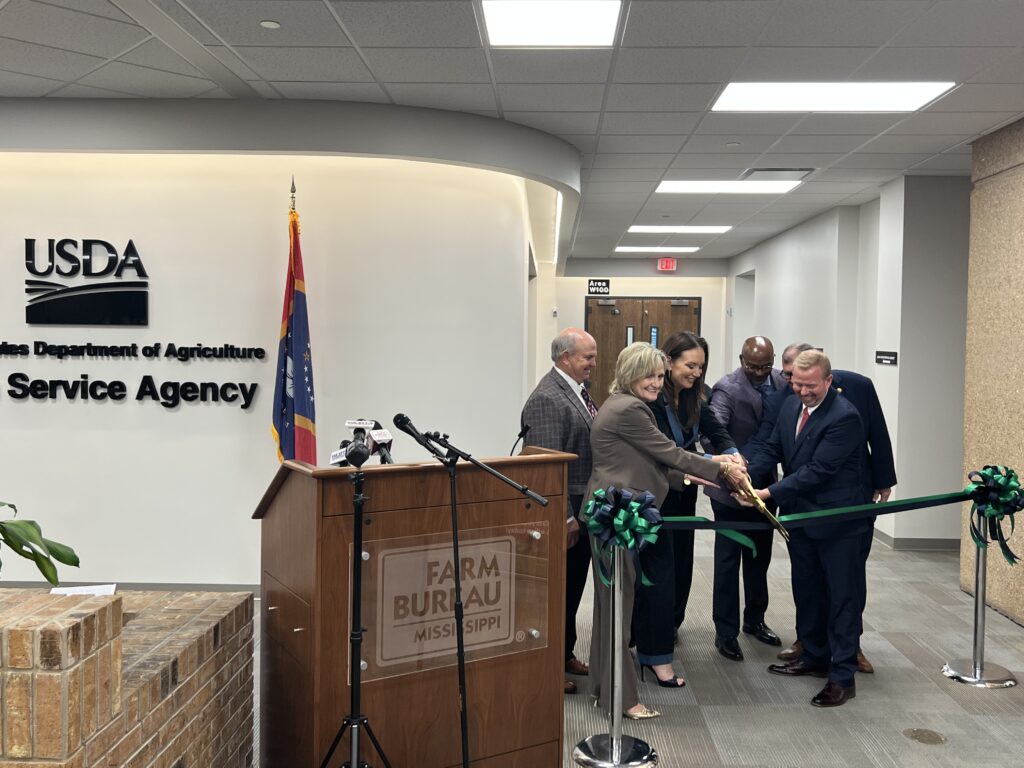
At the end of the day, as events wrapped up with a ribbon cutting of the new USDA Farm Service Agency state office, farmers believed they were heard, and help is on the way.
“At the end of the day, she was able to resonant with each one of us as speakers at this roundtable and revisit those topics we discussed of concern, and she reiterated her involvement,” said Richard Fontenot, Louisiana Farm Bureau President. “What she’s willing to do in some efforts to try to alleviate some of these things. So, yeah, she definitely heard us and, I think, she and the administration is definitely going to be working for us.”
Now, all farmers and ranchers can do is wait and see what happens. Secretary Rollins believes they can get them the help they need sooner rather than later.
“Our corn growers, our soybean growers, our cotton farmers, our lumber industry and several others, many are on the brink of not being able to continue,” said Secretary Rollins. “The bridge we must continue discussing and ensure we can step into the gap as things like the bill, the Big Beautiful Bill that doesn’t go into effect until October of next year, a lot of the payments, etcetera, have only covered a certain portion of the losses. The work is a lot and the work is important, and the aggressiveness of this administration will continue unabated until we get to a better place and that is my commitment to our farmers and ranchers.”