
Capitol Comments – Mississippi Legislative Update for Week 2 of the 2026 Regular Session
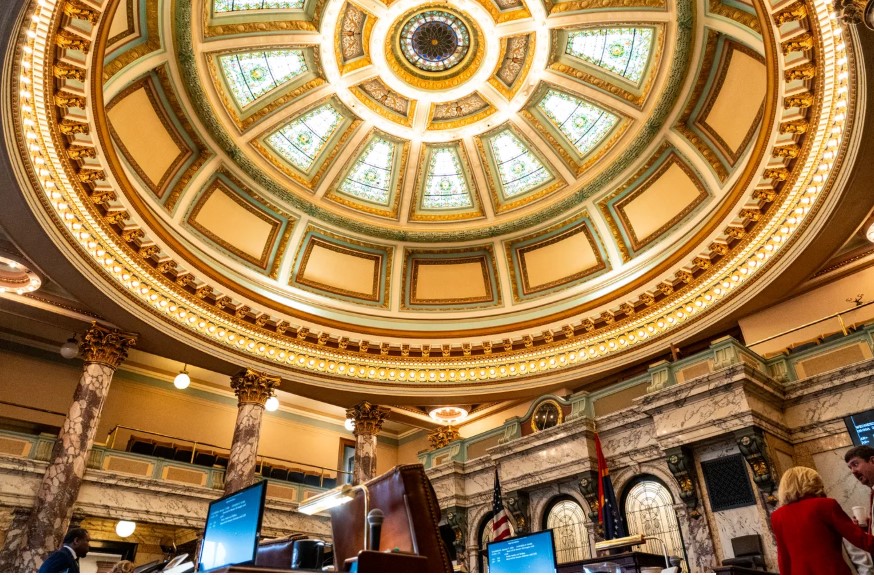
The Mississippi Legislature has now completed its second week of the 2026 Regular Session, and legislative activity is beginning to accelerate as bills move through the committee process. A key procedural milestone is approaching at the Capitol, as Monday (January 19) will mark the deadline for introduction of general bills and constitutional amendments. After this deadline, new general legislation may only be introduced under limited exceptions outlined in House and Senate rules. This transition signals a shift in focus for lawmakers, from filing new proposals to debating, refining, and advancing legislation already under consideration, making the coming weeks particularly important for issues impacting agriculture and rural Mississippi.
One agriculture-related measure introduced this Session would exempt certain agricultural items previously taxed at 1.5%, as well as farm machinery, parts, labor used to maintain and /or repair machines, and fencing materials, from state sales tax. Senate Bill 2272 is aimed at providing meaningful relief to Mississippi farmers who continue to face rising input costs and increasingly tight operating margins.
Farmers across the state are contending with higher prices for equipment, fuel, fertilizer, and labor, all while navigating narrow profit margins. Agriculture remains Mississippi’s largest economic driver, particularly in rural communities, and challenges at the farm level often have far-reaching effects beyond the farm gate. Exempting agricultural equipment from sales tax acknowledges that these purchases are essential business investments and allows farmers to reinvest in their operations, improve efficiency, and remain competitive with neighboring states. Mississippi would not be an outlier in taking this step, as many states already provide similar exemptions.
Mississippi Farm Bureau Federation will continue to closely monitor this legislation and other developments affecting agriculture and rural communities as the 2026 Legislative Session progresses