
MFBF President Mike McCormick Testifies Before U.S. House of Representatives Natural Resources’ Subcommittee on Migratory Bird Treat Act
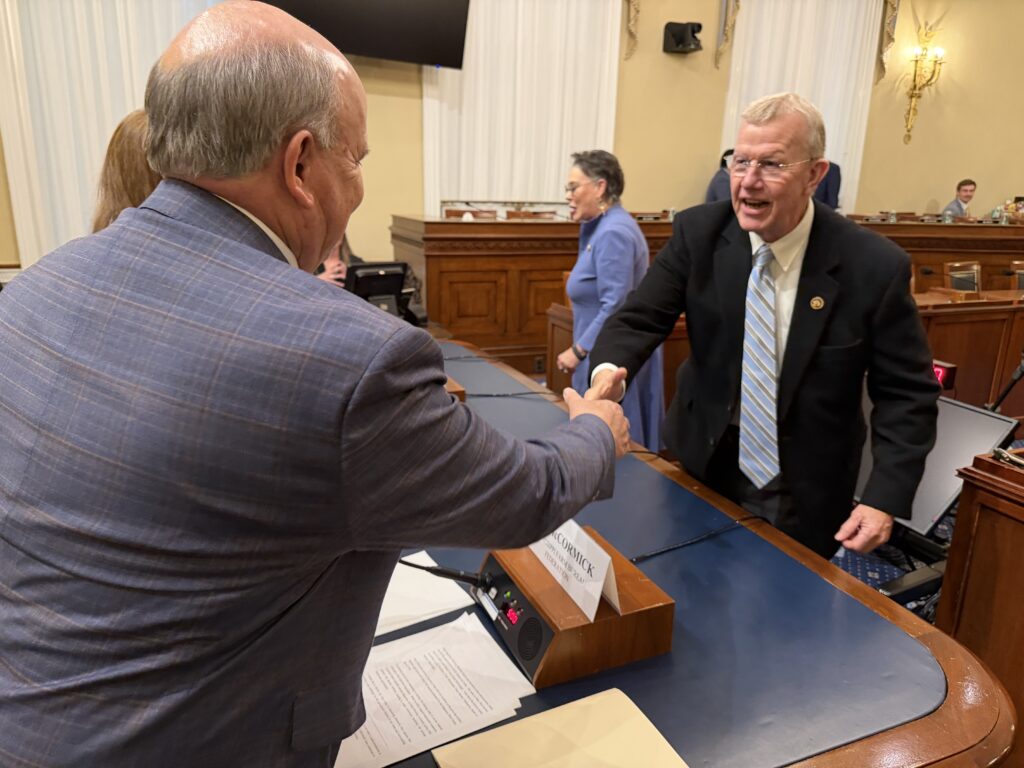
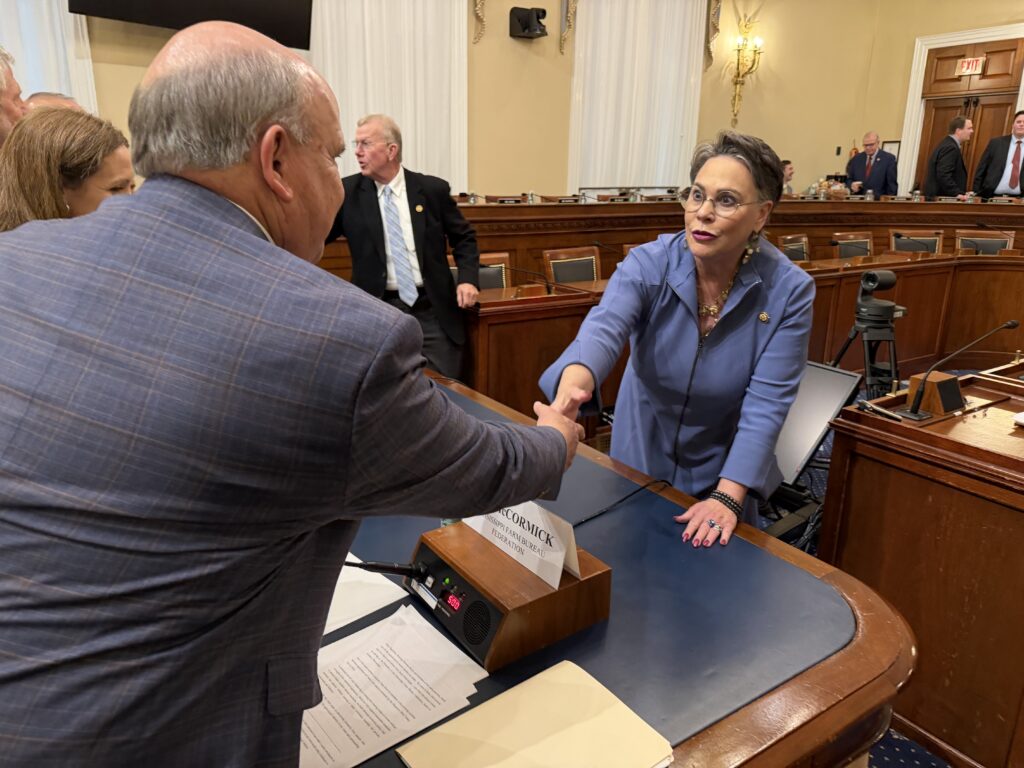
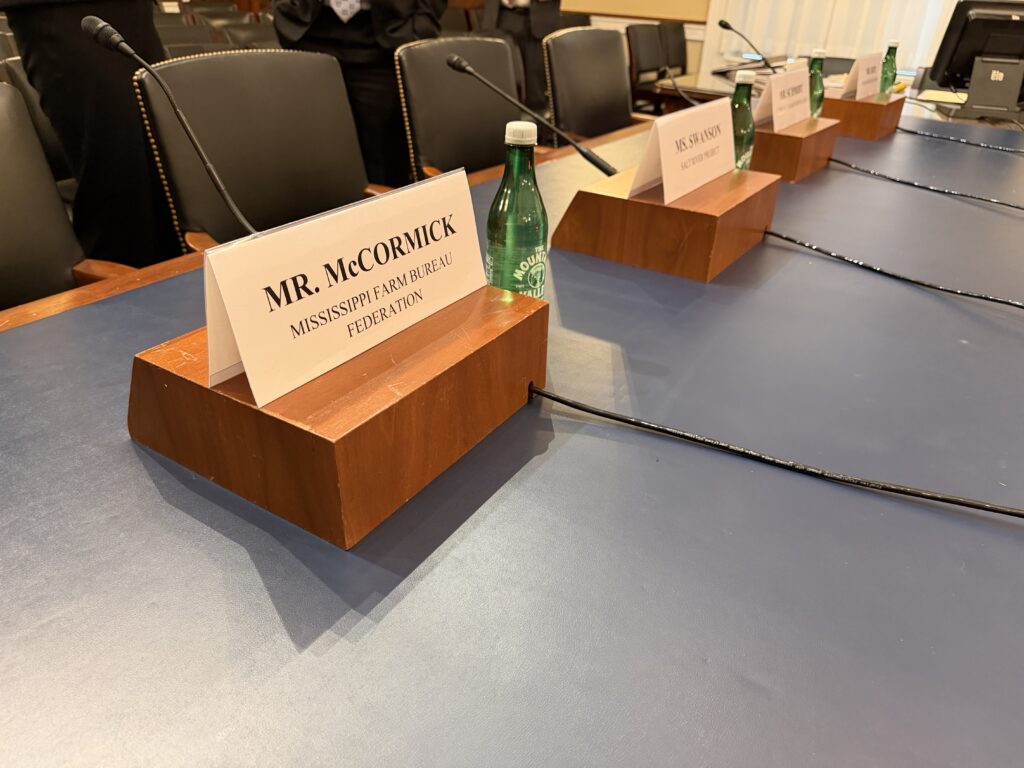
Mississippi Farm Bureau Federation President Mike McCormick traveled to Washington, D.C., this week to testify before the House Committee on Natural Resources’ Subcommittee on Water, Wildlife, and Fisheries, lending a strong agricultural voice to a growing problem: the impact of migratory birds on farmers, livestock, and rural operations.
Standing before the subcommittee, McCormick spoke candidly about the increasing challenges Mississippi producers face from species such as black vultures, double‑crested cormorants, and even whistling ducks. These birds, protected under the Migratory Bird Treaty Act (MBTA), have multiplied in recent years, causing escalating damage on farms and aquaculture operations across the state.
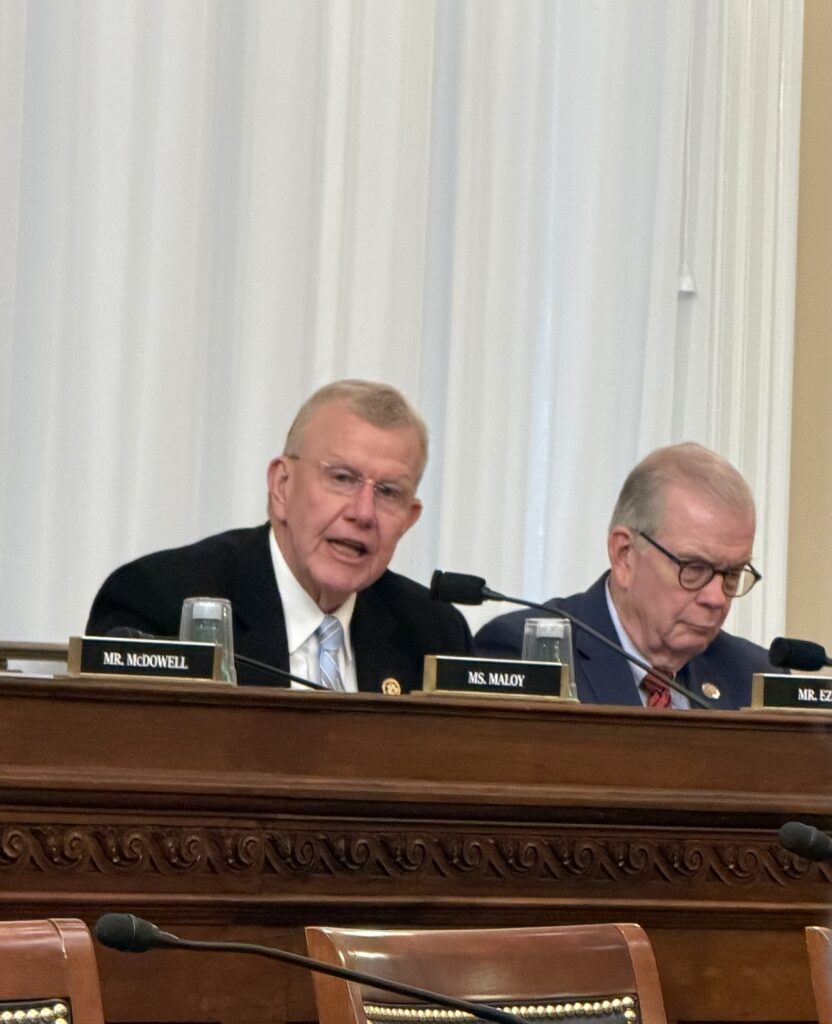
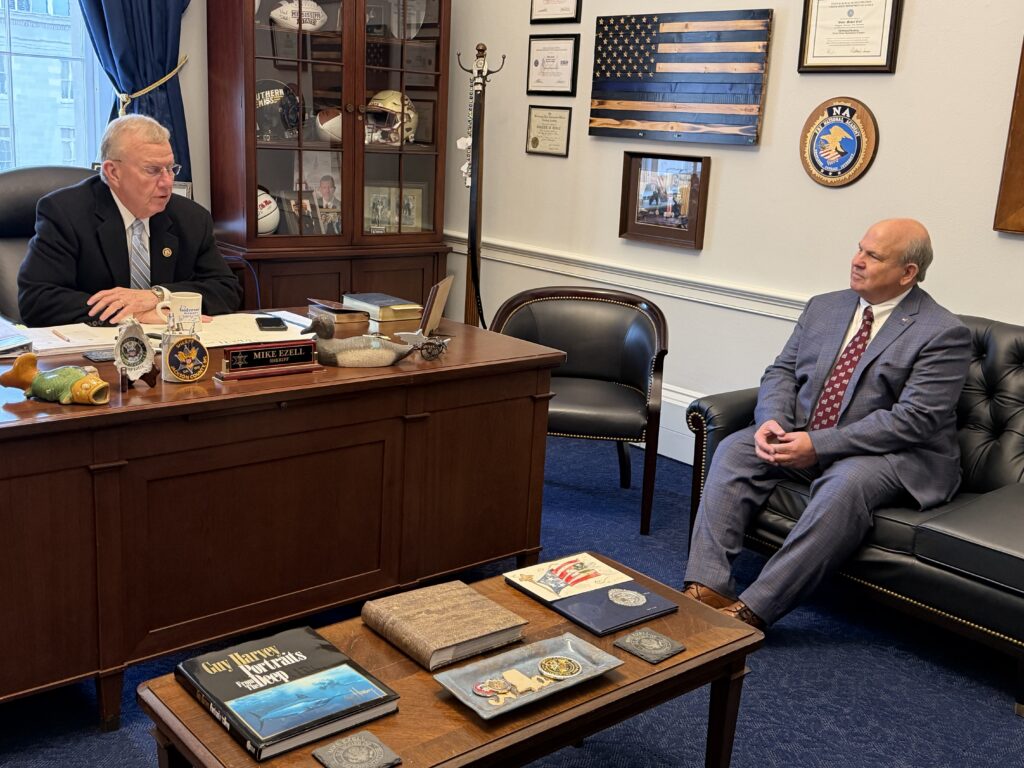
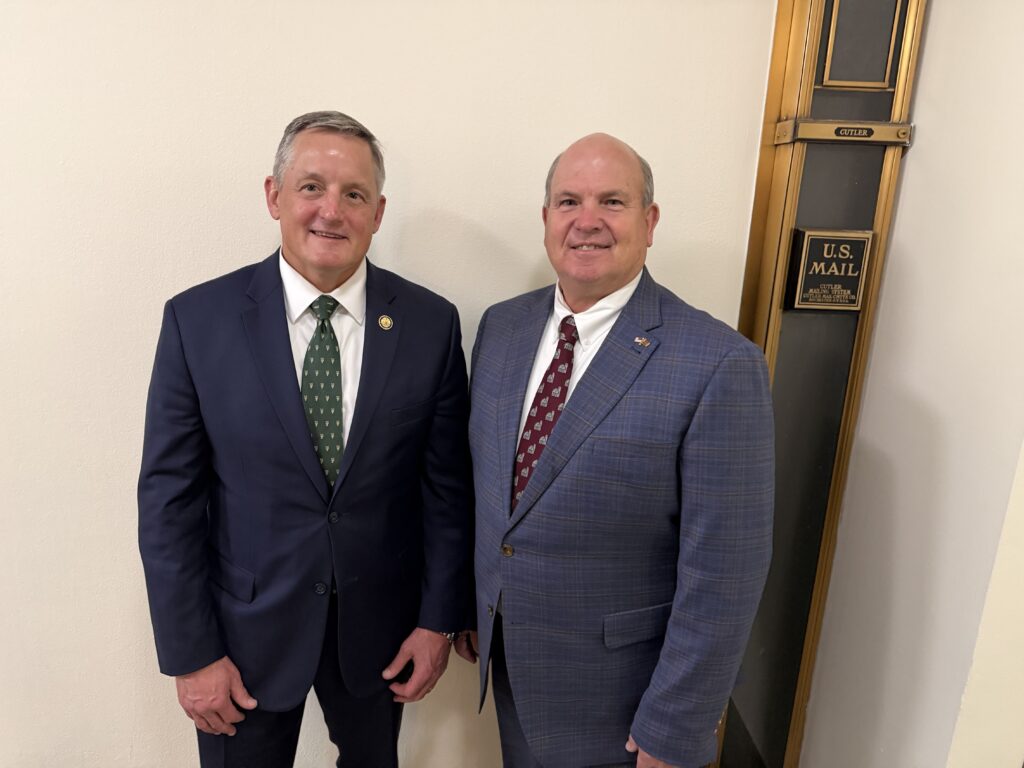
“We have a lot of members that are calling and talking about the issues that they’re having on bird depredation—everything from the vultures on my farm to the cormorants on the catfish farms,” McCormick explained. “It’s becoming a bigger and bigger issue in Mississippi… We’re probably losing more animals to this type of depredation than we are to coyotes or any other mammals.”
His testimony came as House Republicans renewed efforts to review and modernize environmental laws like the MBTA, which they argue has not kept pace with the realities on the ground. Subcommittee Chair Harriet Hageman noted that while migratory bird protections were created with good intentions, the law now produces “real-world consequences” for farmers, ranchers, and small businesses nationwide.
For McCormick, the opportunity to represent Mississippi’s agricultural community was both an honor and a responsibility.
“Absolutely, it’s a huge honor to be here,” McCormick said. “They realized how important it was to us in Mississippi… Let us come lend our voice to this process, find solutions for our farmers back home.”
President McCormick also reflected on the future of agricultural leadership as he sets an example for the next generation of producers preparing to step forward.
“One day there’ll be somebody that comes after me,” said McCormick. “Right now, I’m very thankful to be the voice of agriculture for the state and be able to come and participate in this and represent our members and our growers back home.”
As the subcommittee continues its review of the MBTA, McCormick’s testimony highlighted the urgent need for updated management tools—ones that protect migratory species while also giving farmers reasonable means to safeguard livestock, catfish ponds, and the rural economy.