
North Mississippi Farmers Bring Their Voices to Capitol Hill
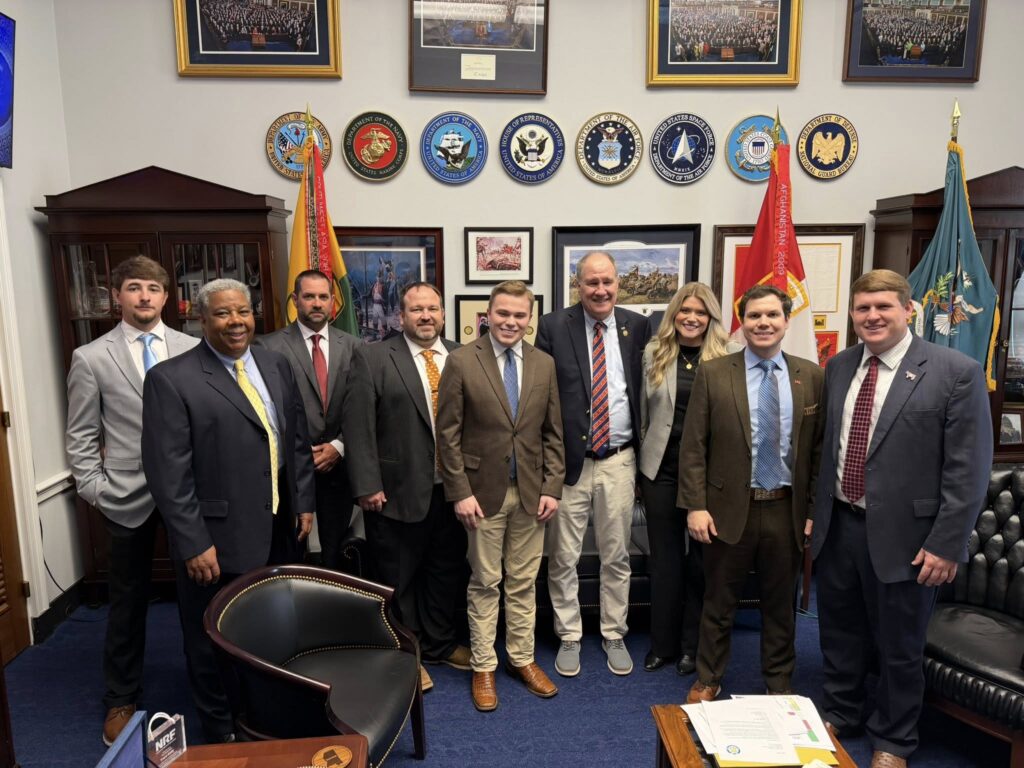
When the sun rose over the Mississippi hills on March 4, 2026, a group of farmers and Mississippi Farm Bureau leaders from regions 1 and 2 climbed aboard their early‑morning flights to Washington, D.C. They came from counties like Itawamba, Sunflower, Marshall, Lee, Pontotoc, Bolivar, and Coahoma—areas where agriculture is not just an occupation, but a way of life passed from one generation to the next. Their mission: to be the voice of agriculture speaking directly with Mississippi’s congressional delegation about the issues shaping the future of farming in their state.
For many, this was their first experience navigating the nation’s capital.
“This is a first‑time thing for me … it’s a really neat thing to see how this whole engine works together,” said Phillip Dawson of Sunflower County, who farms corn, soybeans, wheat, and cattle near Indianola. He shared that seeing how much the federal government does on behalf of farmers changed his entire perception of agriculture policy.
Others, like Brent Kitchens of Itawamba County, came to Washington with experience in Farm Bureau leadership but were eager to expose younger farmers or neighbors to the process.
“He has learned a lot on how everything’s working—on the doors we’re getting into and what points we’re trying to get across,” Kitchens said, emphasizing the unique access Farm Bureau provides. “An individual in Itawamba County would never open the door and get all this done, and Farm Bureau’s doing that for us.”
From Marshall County, Charles Hall expressed excitement about finally connecting names with faces in Washington.
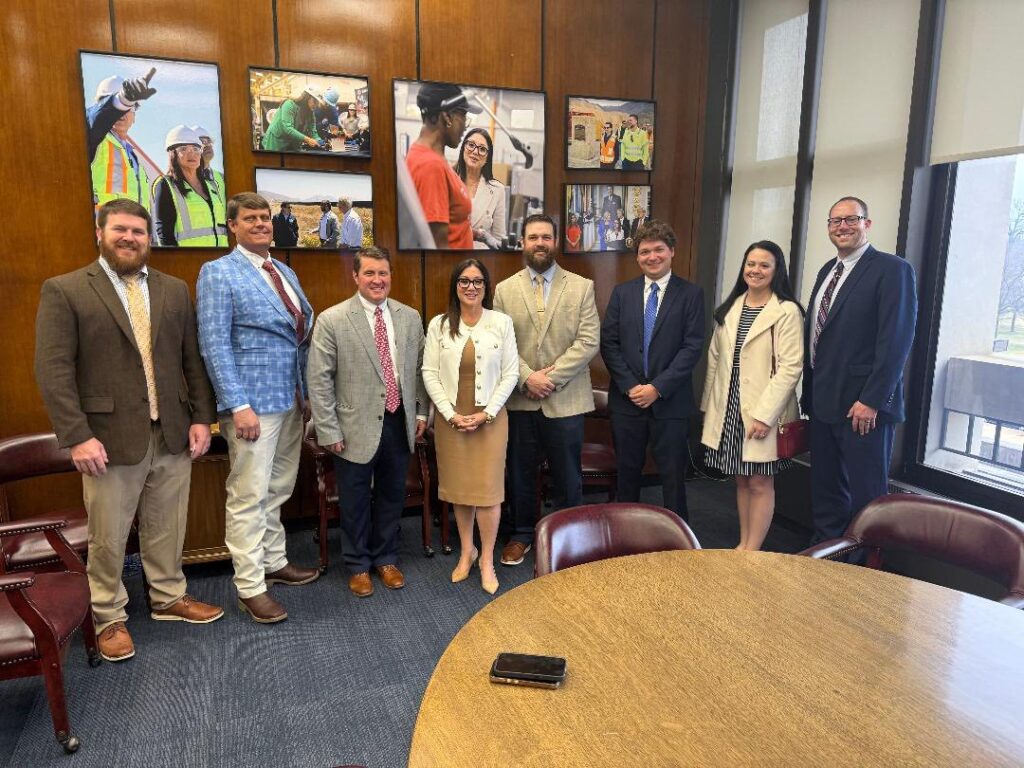
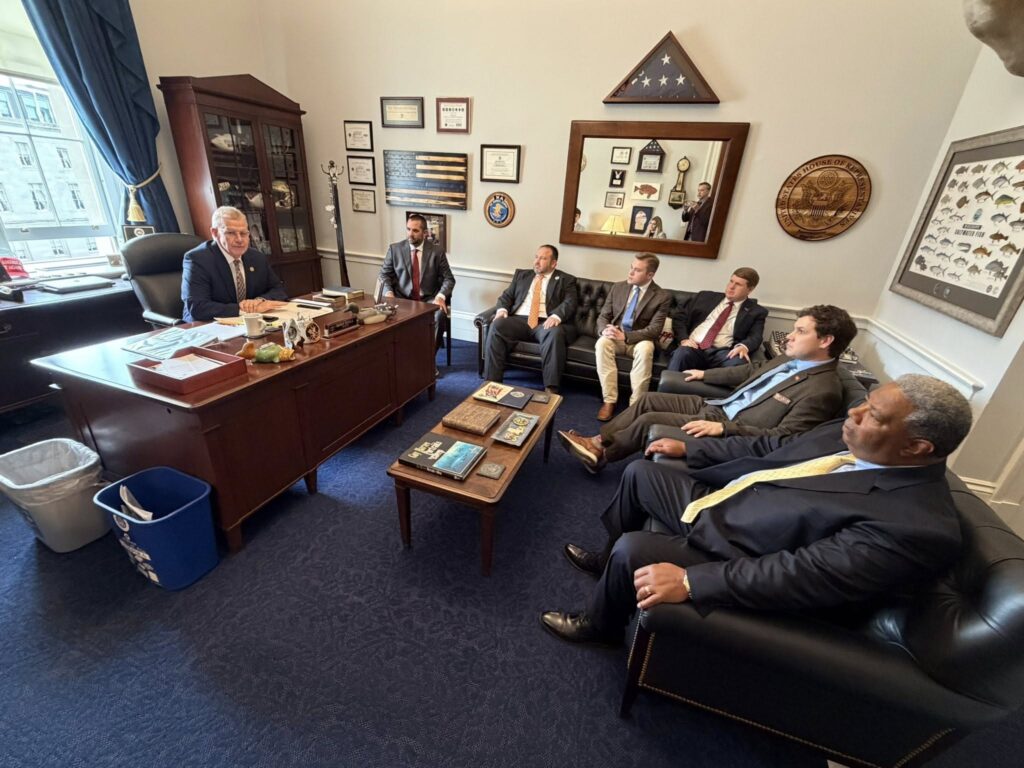
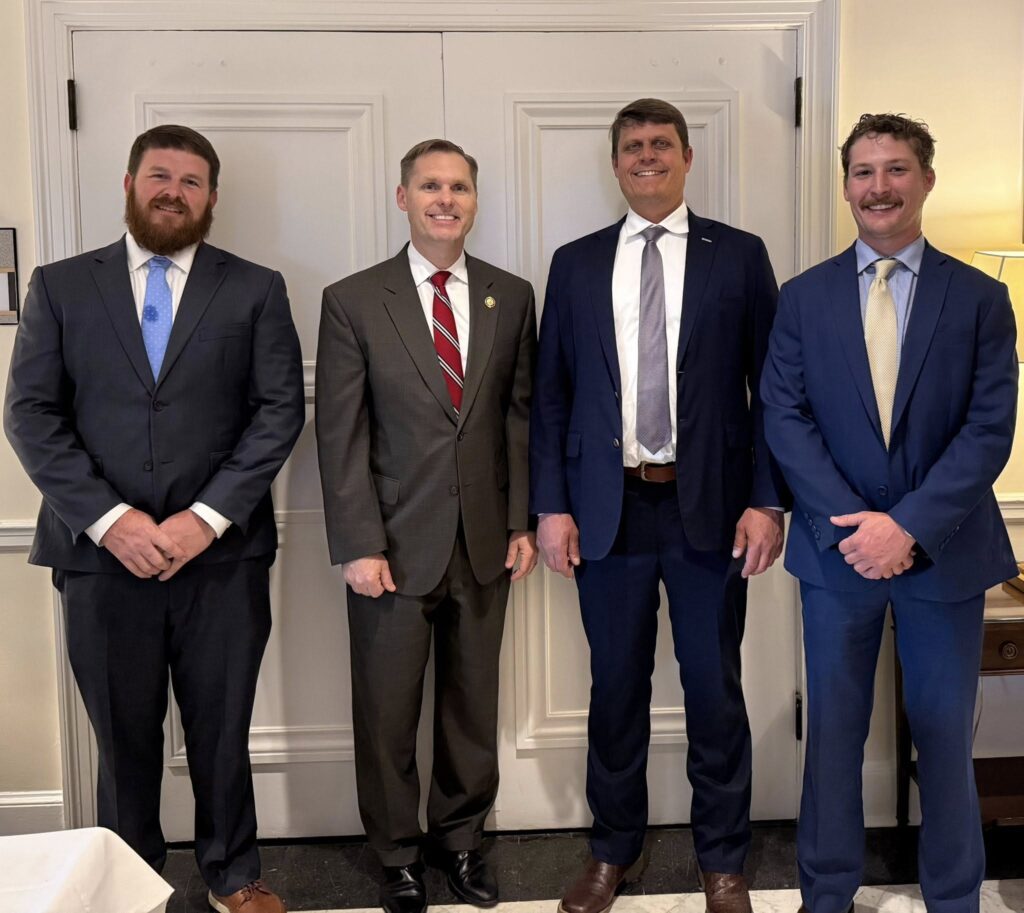
“You’re now putting a name with a face … so they can understand exactly what’s going on, and you can understand the things they are dealing with as well.”
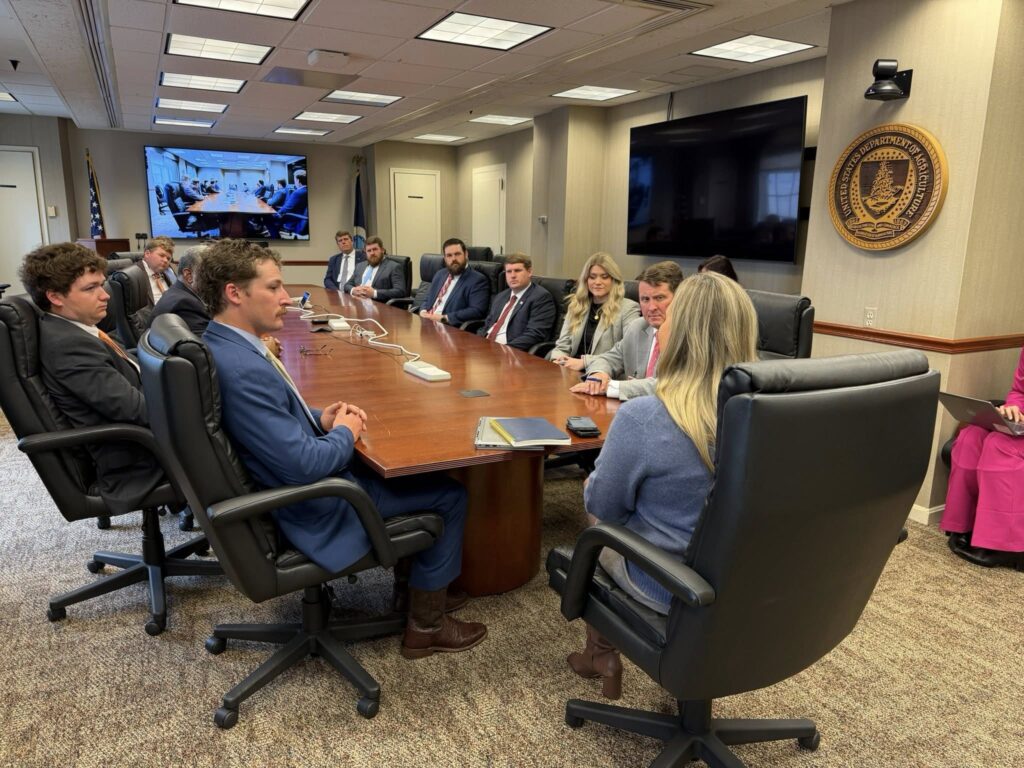
The group’s schedule was packed from the moment they arrived, heading straight into a policy briefing with agricultural leaders Jake Westlin of USA Rice and John Walt Boatright of the American Farm Bureau Federation.
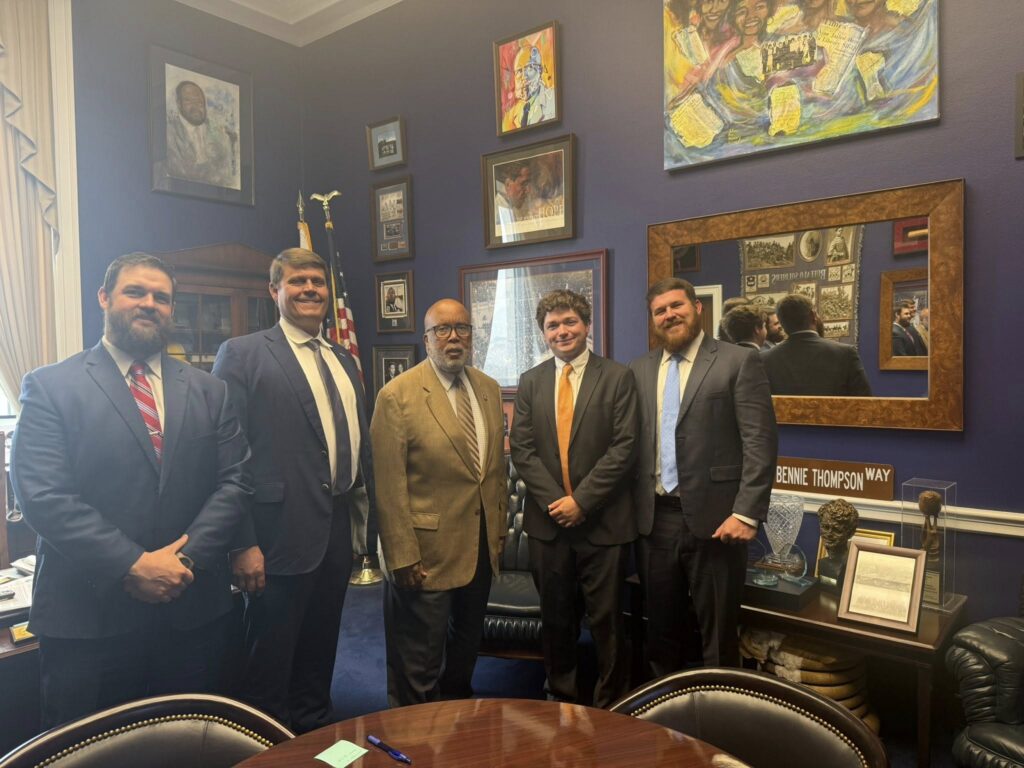
From there, it was off to Capitol Hill. Over the course of three days, they met with every member of Mississippi’s delegation, plus agriculture committee staff on the Senate and House sides.
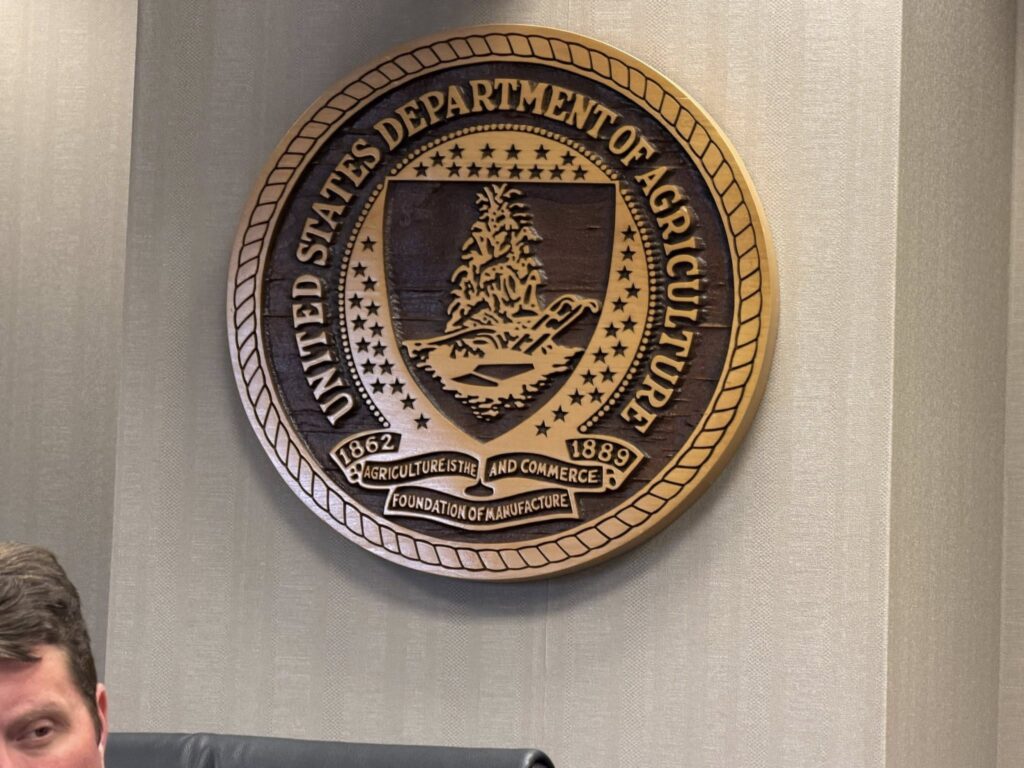
They also visited key federal agencies like the USDA, EPA, and Department of Labor—critical points of contact for farmers seeking clarity on regulation, conservation programs, and labor issues.
Armed with their priorities, the group brought unified messaging on the pressing needs of Mississippi farmers. Among their top concerns. Growers emphasized the importance of the Farmer Bridge Assistance initiative, disruptions in trade directly affecting local prices, confusion and concerns related to disaster relief programs, staff shortages in local Farm Service Agency offices, and delays in processing H2A labor visas.
Throughout the trip, farmers repeatedly emphasized how meaningful it was to experience their federal government firsthand.
Mississippi Farm Bureau President Mike McCormick captured the significance of the visit:
“These young people … have taken the opportunity to take a seat at the table. It’s their first chance to grow a little bit and get more comfortable telling their stories to people who can impact their lives with legislation,” said McCormick.
For many, the trip strengthened their confidence that Farm Bureau is advocating effectively on their behalf—and that their voices truly matter.
“I think it’s really important that we all work together and really understand the program … so that we can become better,” said Hall.
“It’s encouraging. You see they’re going to bat for us,” said Dawson. “Keeping markets where they need to be so we can make a little money.”
These members from North Mississippi carried home not only new knowledge but new relationships—with lawmakers, with staff, and with one another. They had stepped into the halls of congress not just as farmers but as voices for their communities, their industry, and the future of agriculture in Mississippi.
Their time in Washington proved what Farm Bureau has always believed: when farmers speak with a unified voice, they can open doors, shape policy, and strengthen the future of rural America.