
Southern Region Farm Bureau Leaders Build Trust, Unity During Meetings in Mississippi
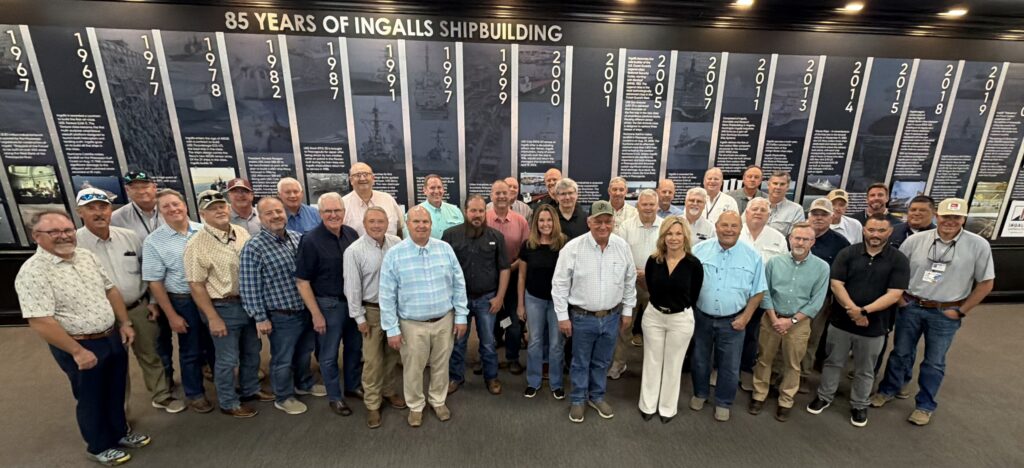
Farm Bureau leaders from across the Southern Region gathered April 27–29 in Biloxi for the 2026 Southern Region Presidents and Administrators Conference, hosted by the Mississippi Farm Bureau Federation (MFBF). While the agenda included tours, business meetings, and fellowship, participants agreed the conference served a deeper purpose: building trust and strengthening relationships to better serve farmers and ranchers facing unprecedented challenges.
Producers across the South continue to feel pressure from soaring fertilizer and fuel costs, persistent labor issues, and the ongoing impacts of drought. Those shared struggles made the importance of regional collaboration clear throughout the conference.
“This meeting gives us time to build that camaraderie,” said Zippy Duvall, president of the American Farm Bureau Federation (AFBF). “Anytime you spend time with somebody, it gives you the opportunity to build trust—and we need that trust when it comes to policy.”
Duvall emphasized that while agricultural challenges vary by region, unity is essential to maintaining a strong, national Farm Bureau voice. Rising input costs, he said, are one issue nearly all farmers can agree on.
“The issues like fertilizer and fuel costs that we’re facing today—everybody’s experiencing that,” Duvall said. “That makes it easier to bring those together into one united voice.”
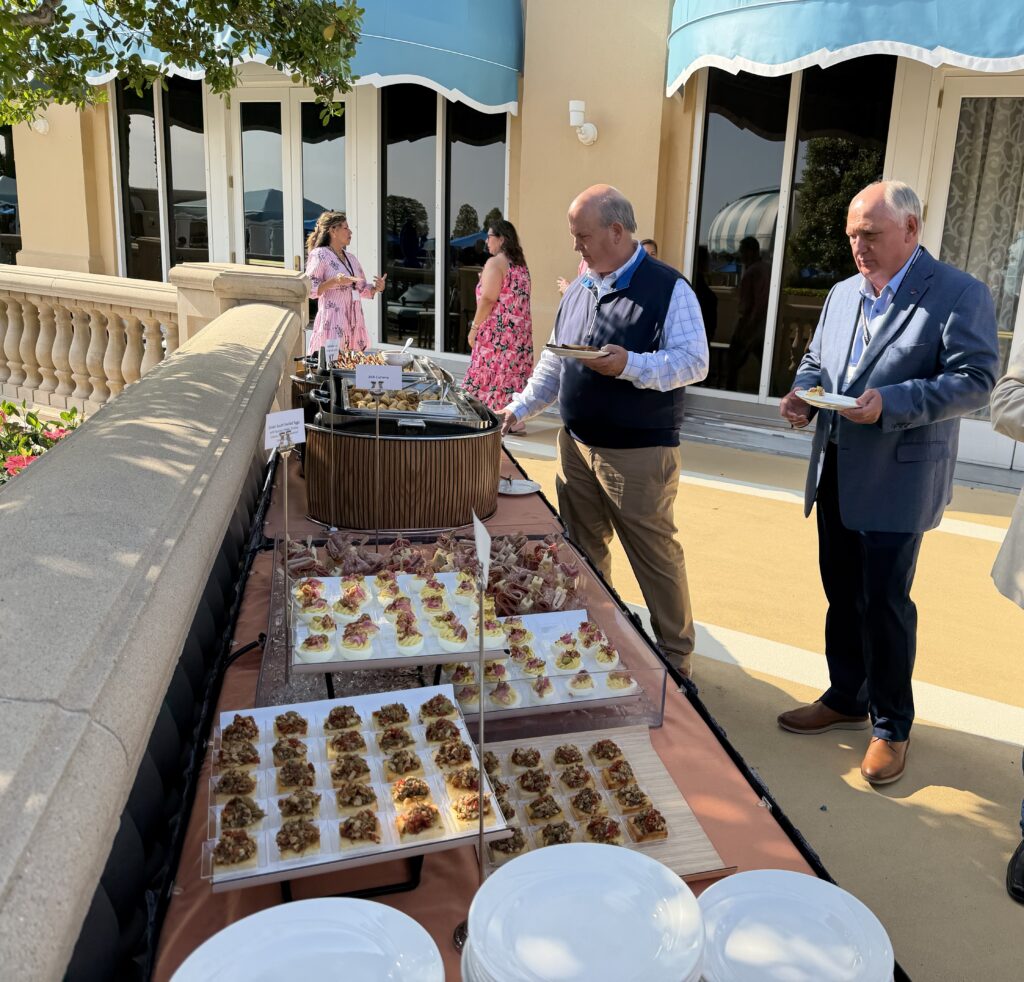
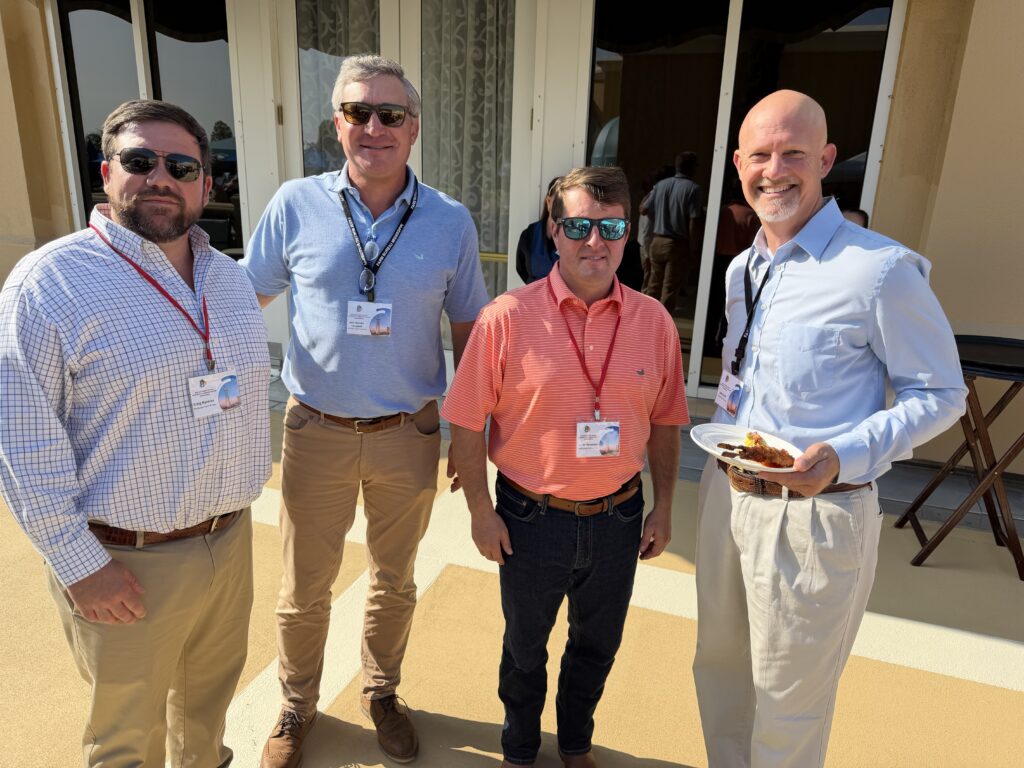
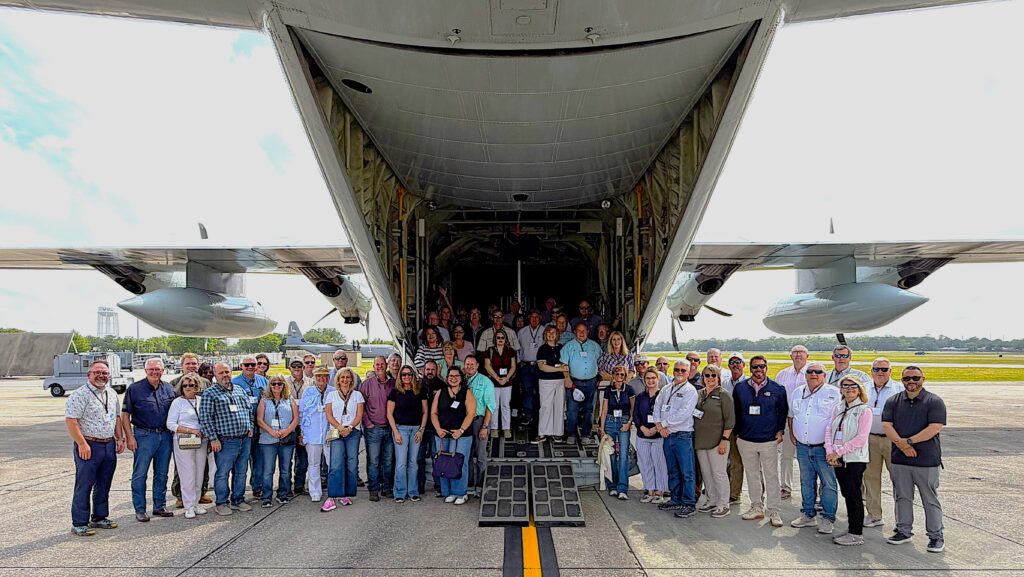
The conference brought together Farm Bureau presidents, administrators, and AFBF leadership for structured discussions as well as informal networking made possible through tours and social events. According to several participants, that balance is what makes the meeting effective.
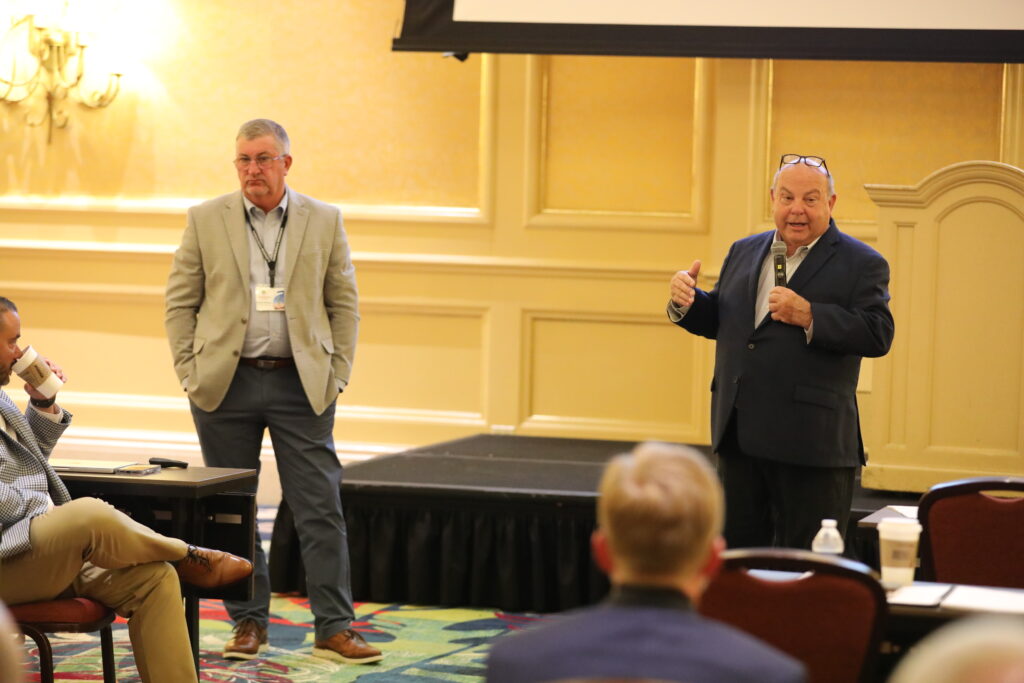
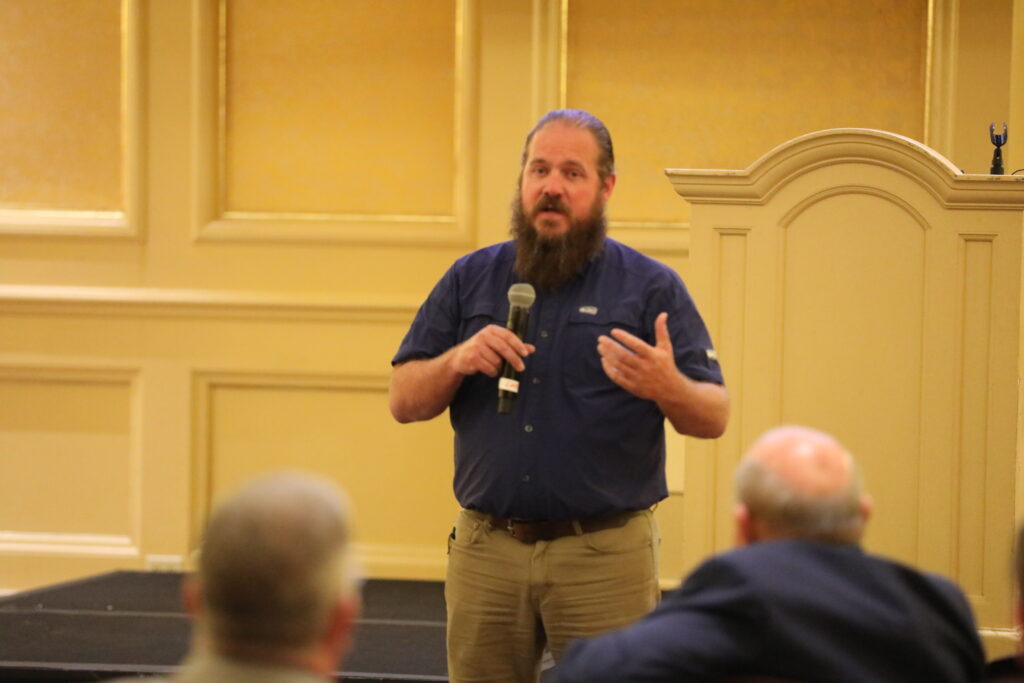
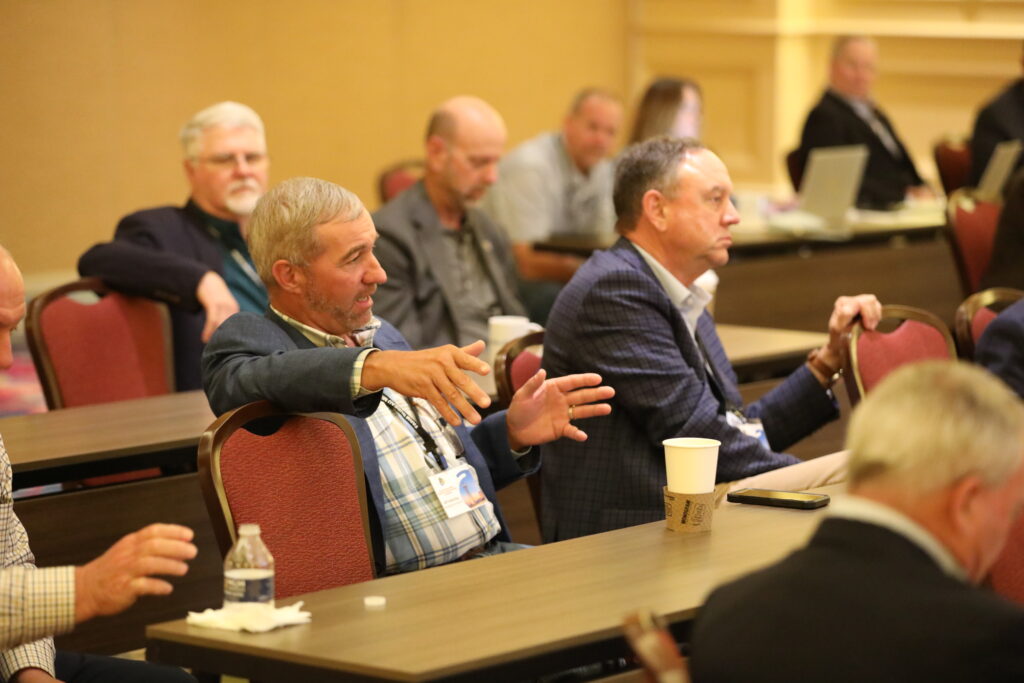
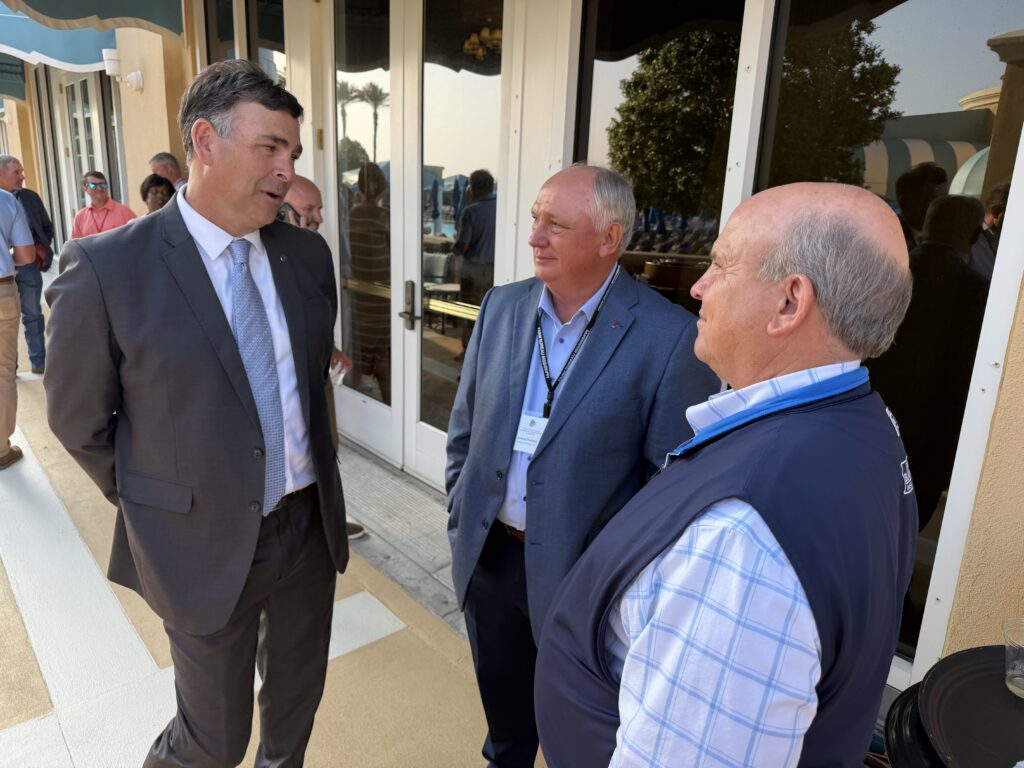
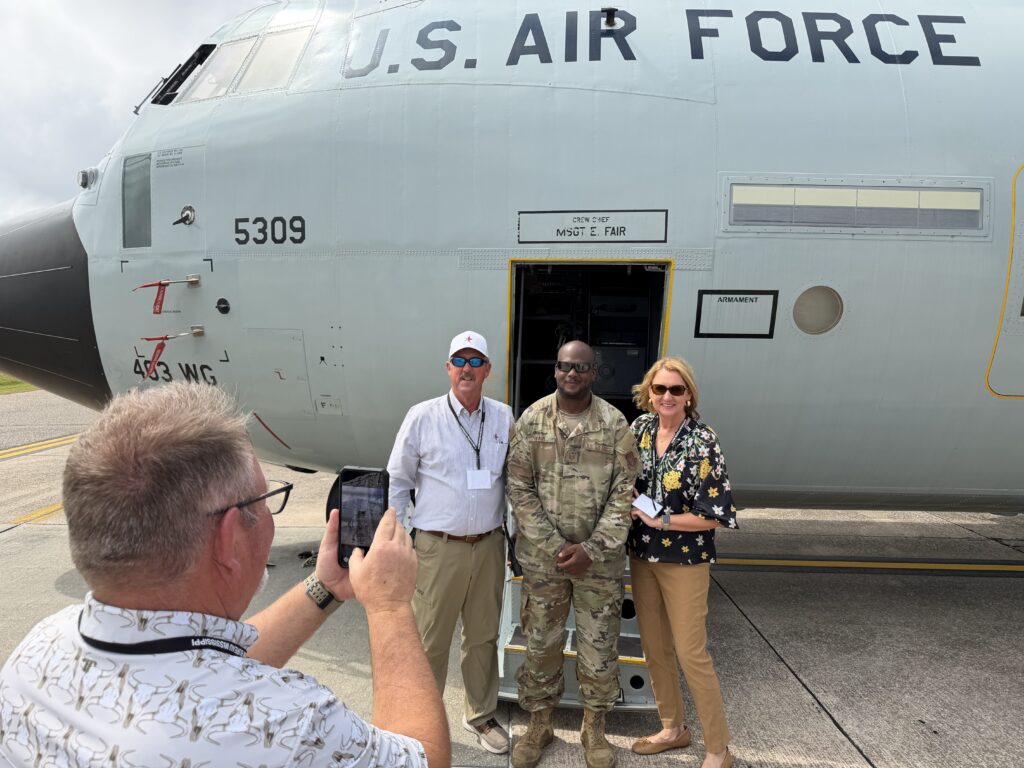
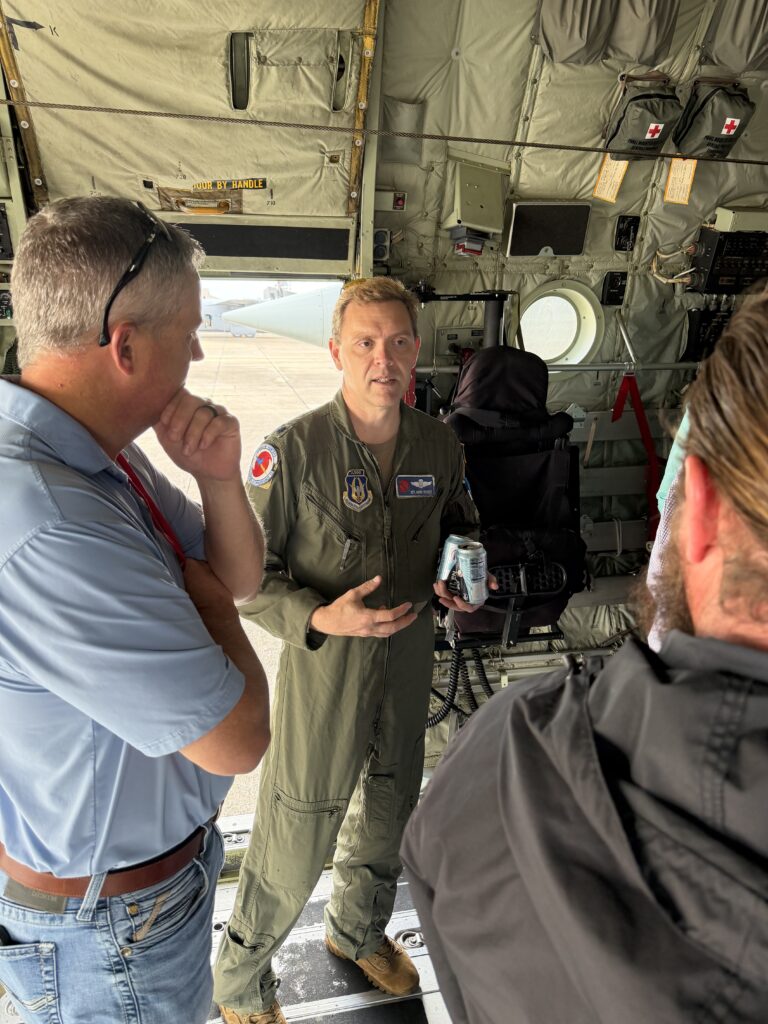

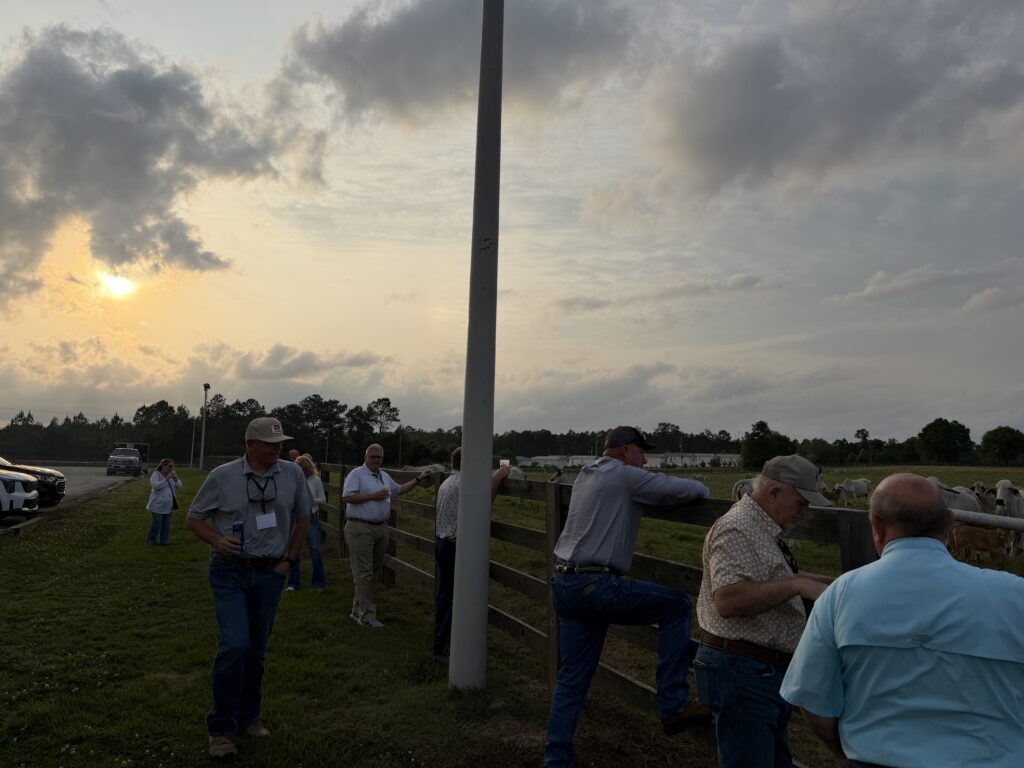
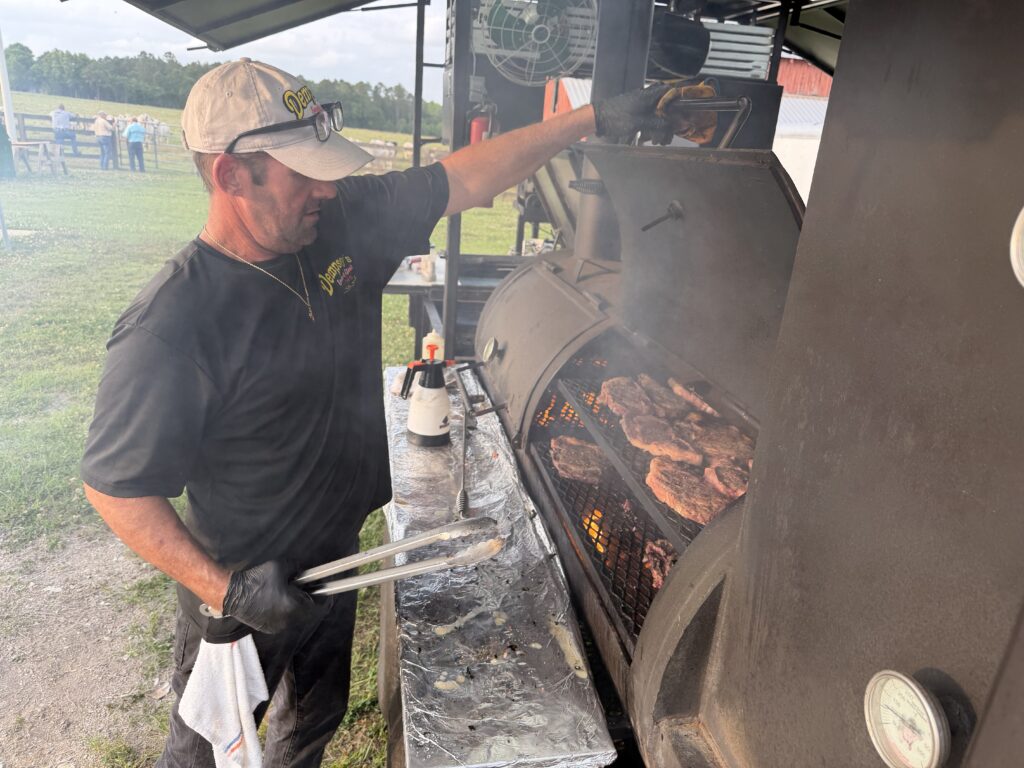

Scott Sink, president of the Virginia Farm Bureau Federation, said the relaxed atmosphere encourages honest conversation and idea-sharing that doesn’t always happen during more formal meetings.
“This meeting is structured, but it’s structured around tours and networking,” Sink said. “It’s a whole different atmosphere—one that really builds camaraderie and allows for sharing ideas.”
Sink added that learning how other states address challenges, particularly through business and revenue models, strengthens each organization’s ability to fulfill its mission.
“Learning from each of our states is important,” he said. “But just as important is building those relationships so when you need help, you already know who to call.”
For Farm Bureau leaders, the value of peer connection goes beyond policy.
“As you move up in leadership, people don’t always understand everything you’re dealing with,” Sink said. “Being with other state presidents who understand those burdens—and the successes and failures—it gives you a group you can relate to.”
As host, Mississippi Farm Bureau Federation President Mike McCormick highlighted how the Southern Region’s unity can significantly influence national Farm Bureau policy and the Farm Bill.
“When the South sticks together, we have the votes to pass what we want,” McCormick said. “That can make a huge impact on policy—and what goes into a farm bill makes a huge impact on our farmers.”
McCormick noted that while discussions can become spirited, the relationships built during conferences like this help leaders navigate difficult conversations back home and in national boardrooms.
“It gets a little heated sometimes when you’re talking about what’s best for different states or commodities,” he said. “Having these guys here for a couple of days builds relationships that help when those tough discussions happen.”
McCormick also emphasized the importance of understanding issues unique to other regions of the country, such as water rights and federal land management.
“We need those relationships,” he said. “So, I can help somebody in Washington state on a water issue, and they can turn around and help us with something unique to Mississippi—like catfish.”
From drought and labor shortages to rising production costs, the challenges facing agriculture today are complex and evolving. Conference participants agreed that regional meetings like this one are essential to ensuring Farm Bureau remains a trusted advocate for its members.
“These meetings help us understand that we have more in common than we have different,” Duvall said. “Without trust and camaraderie, it would be very difficult to bring those issues together into one voice.”
For Mississippi Farm Bureau, hosting the Southern Region reaffirmed the organization’s commitment to leadership, collaboration, and standing united for agriculture when it matters most.