
Bringing the Voice of Agriculture to Capitol Hill
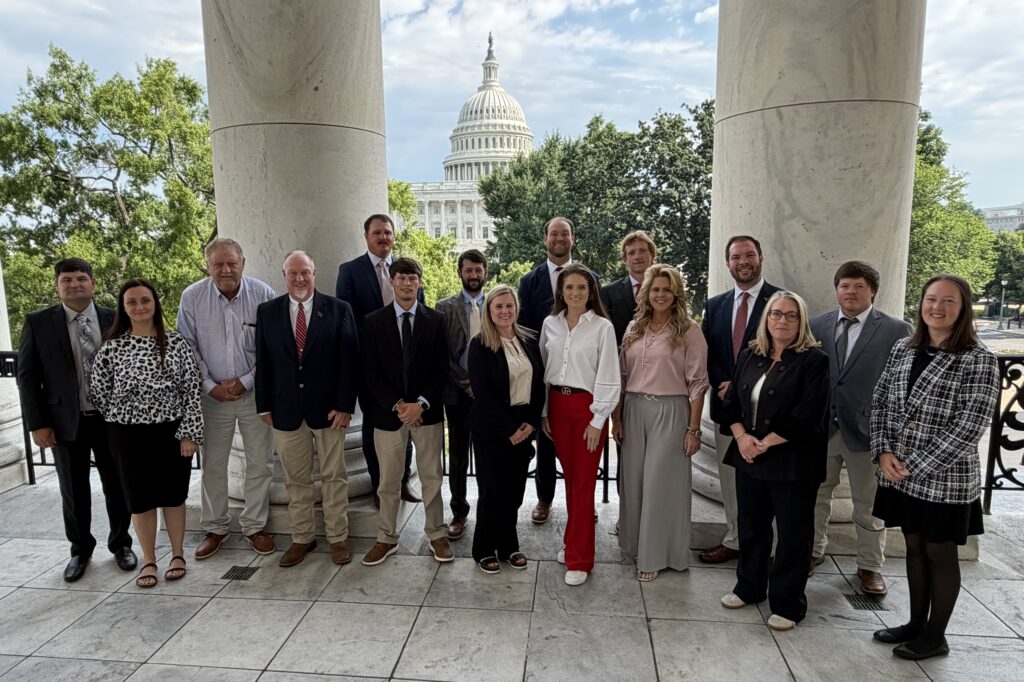
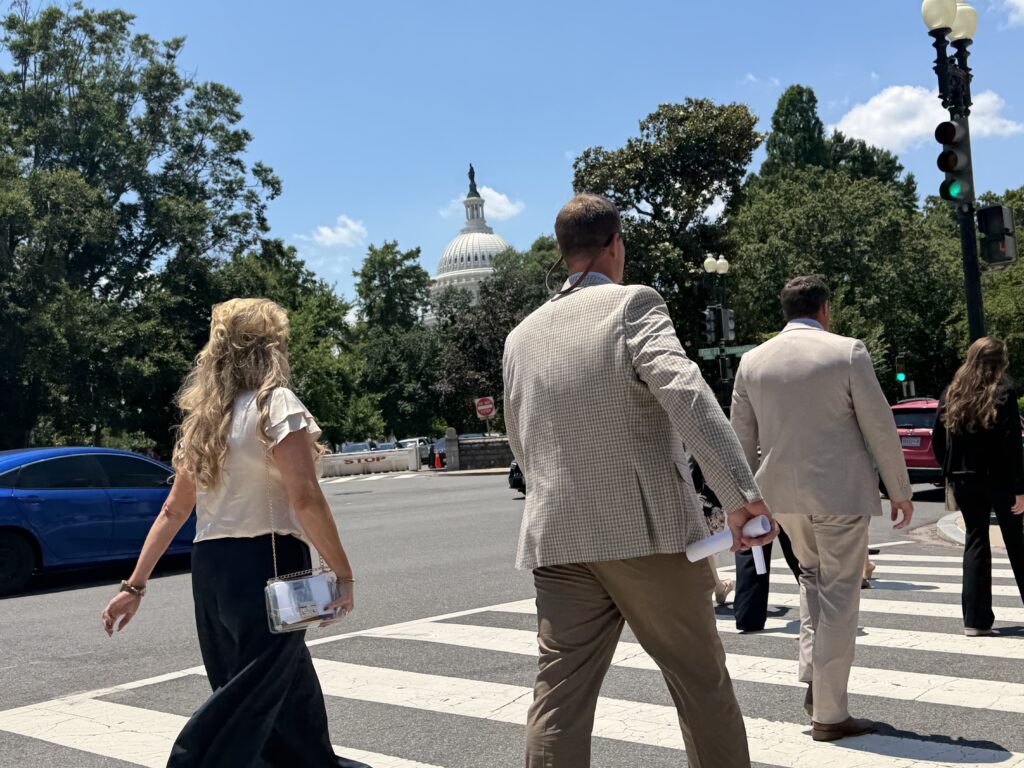
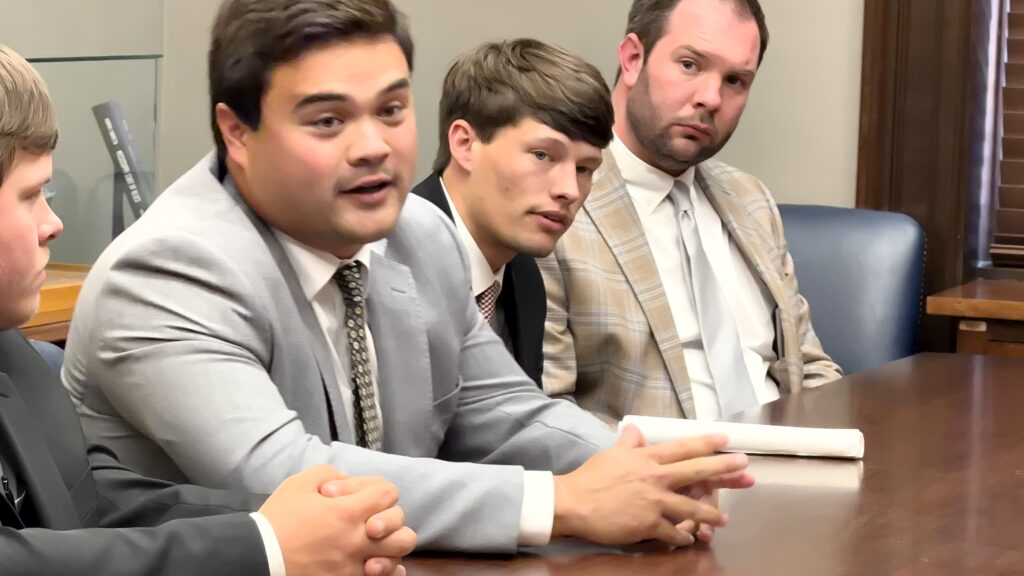
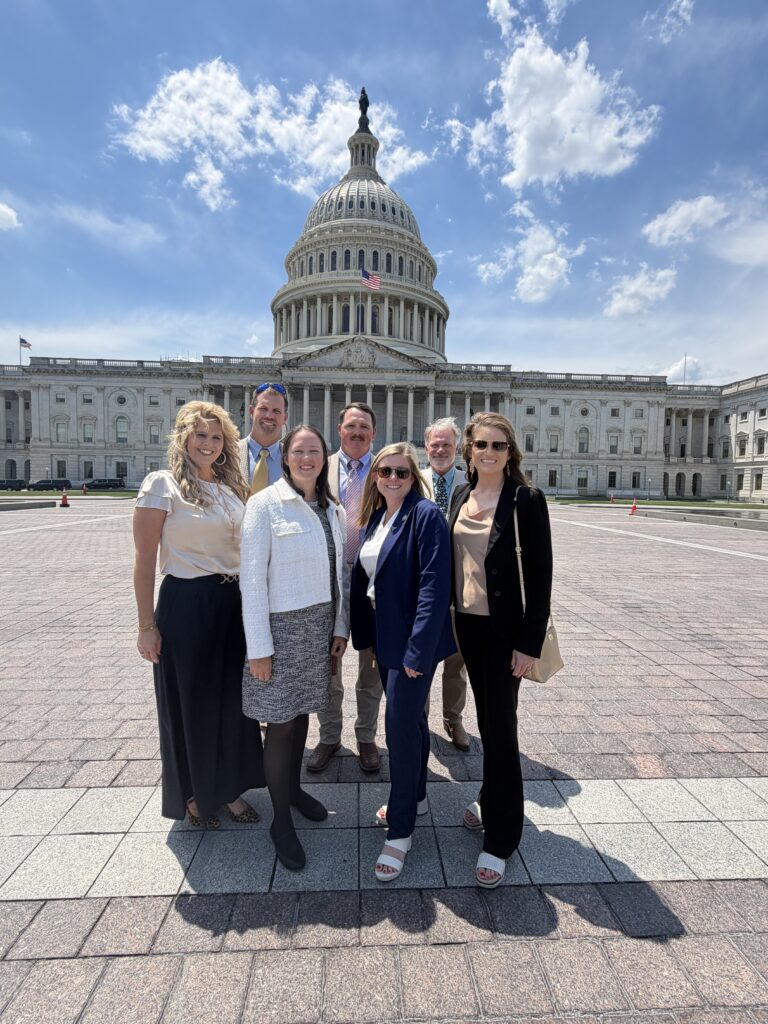
Mississippi Farm Bureau members traveled to Washington, D.C., bringing the voice of agriculture straight to Capitol Hill.
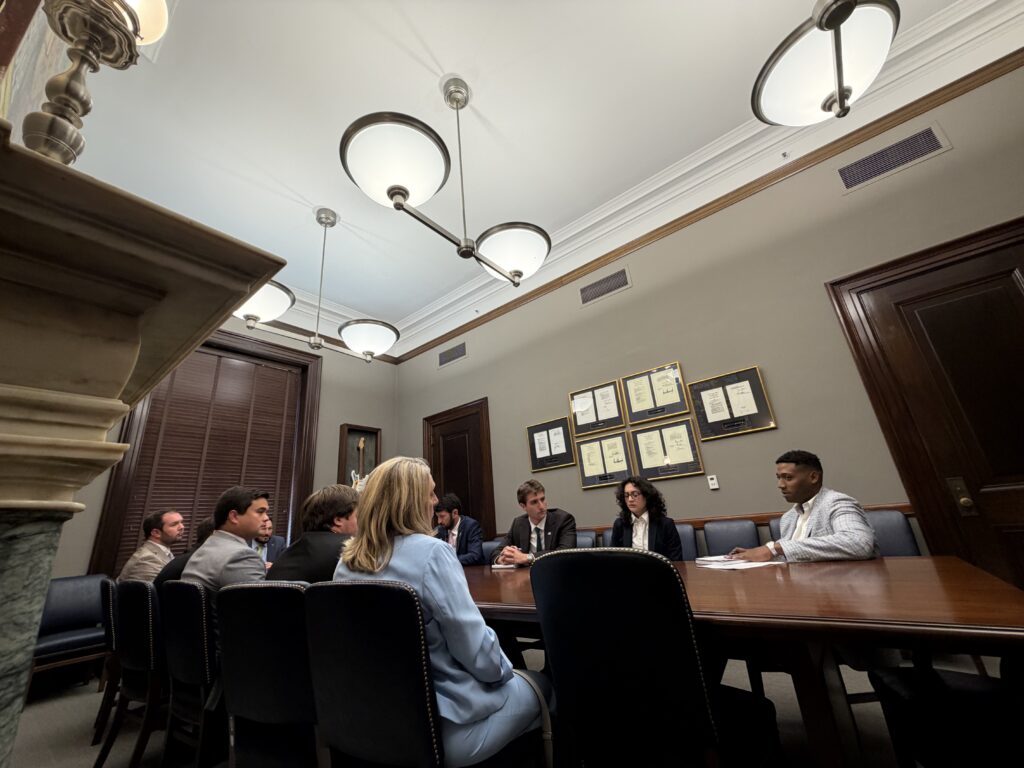
Over three days, these farmers and ranchers stepped away from their operations at home to meet face-to-face with lawmakers, agency leaders, and policy staff—advocating for the issues impacting their livelihoods.
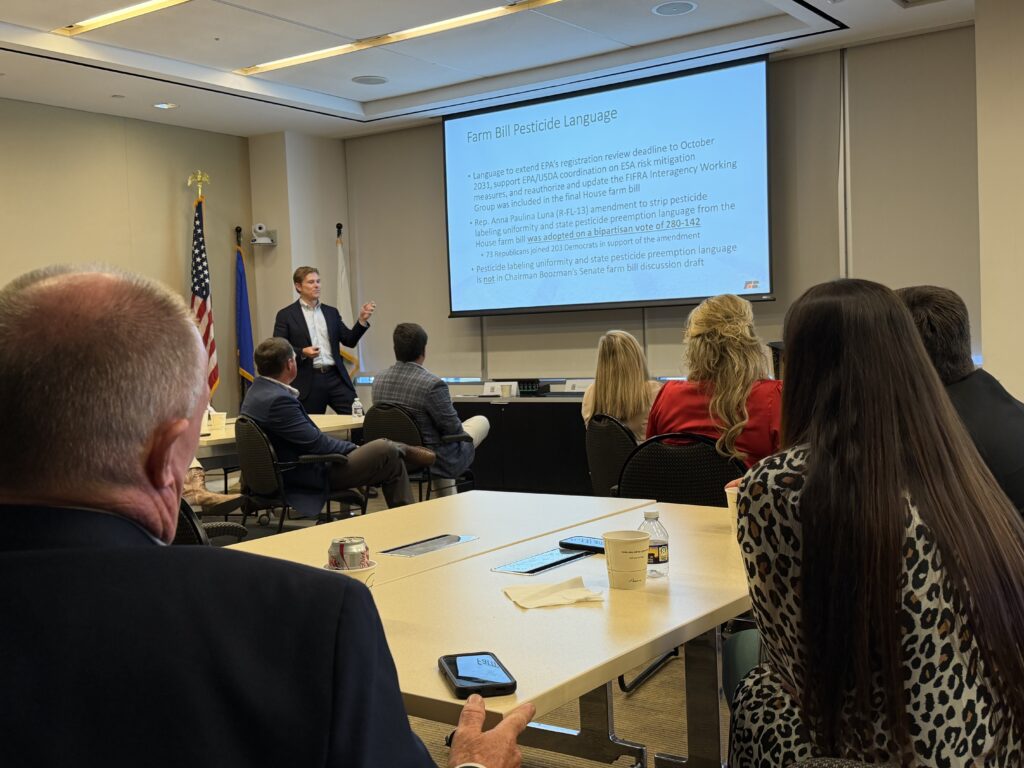
The trip began with a policy briefing at the American Farm Bureau Federation headquarters, followed by meetings that put Mississippi agriculture front and center.
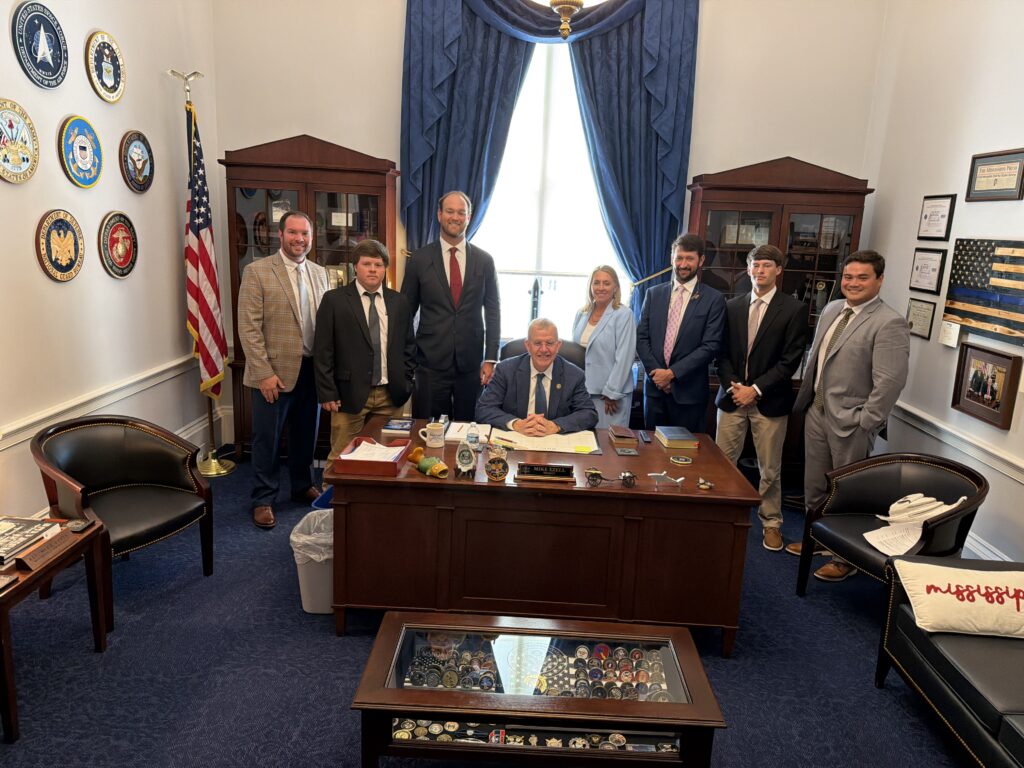
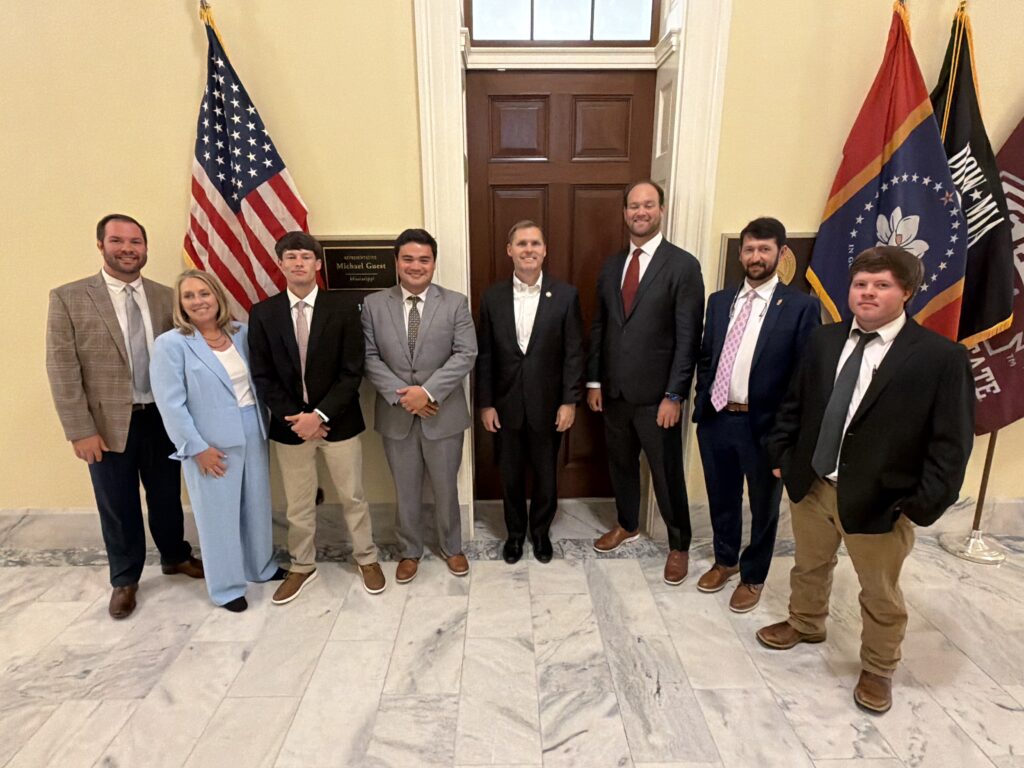
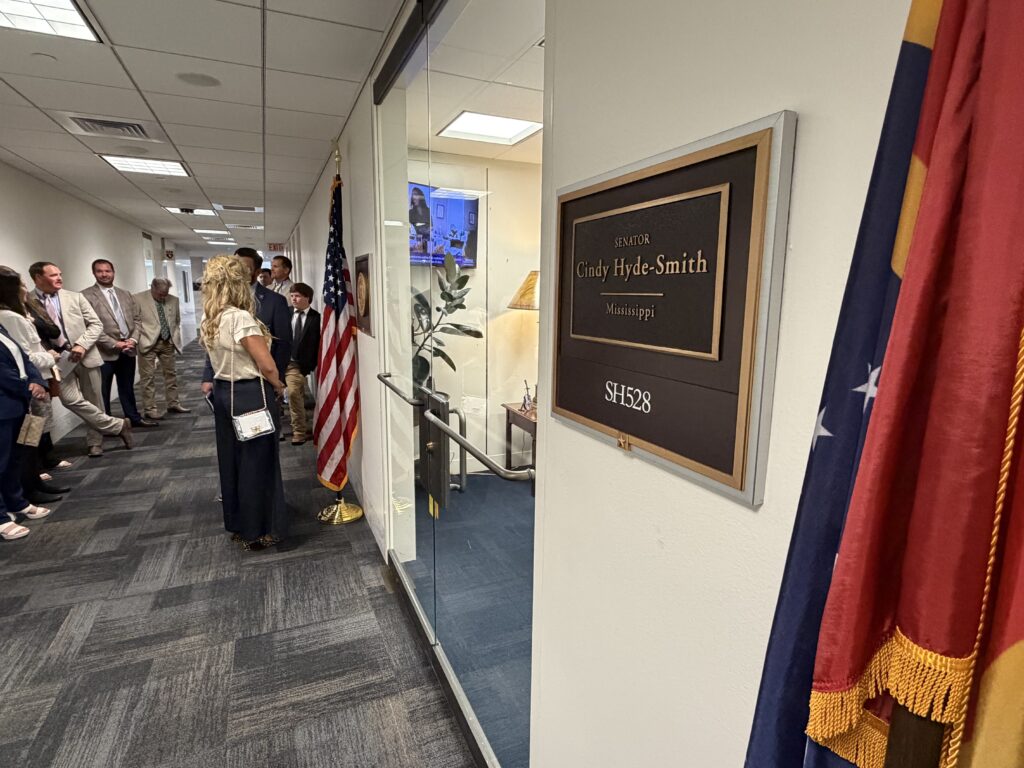
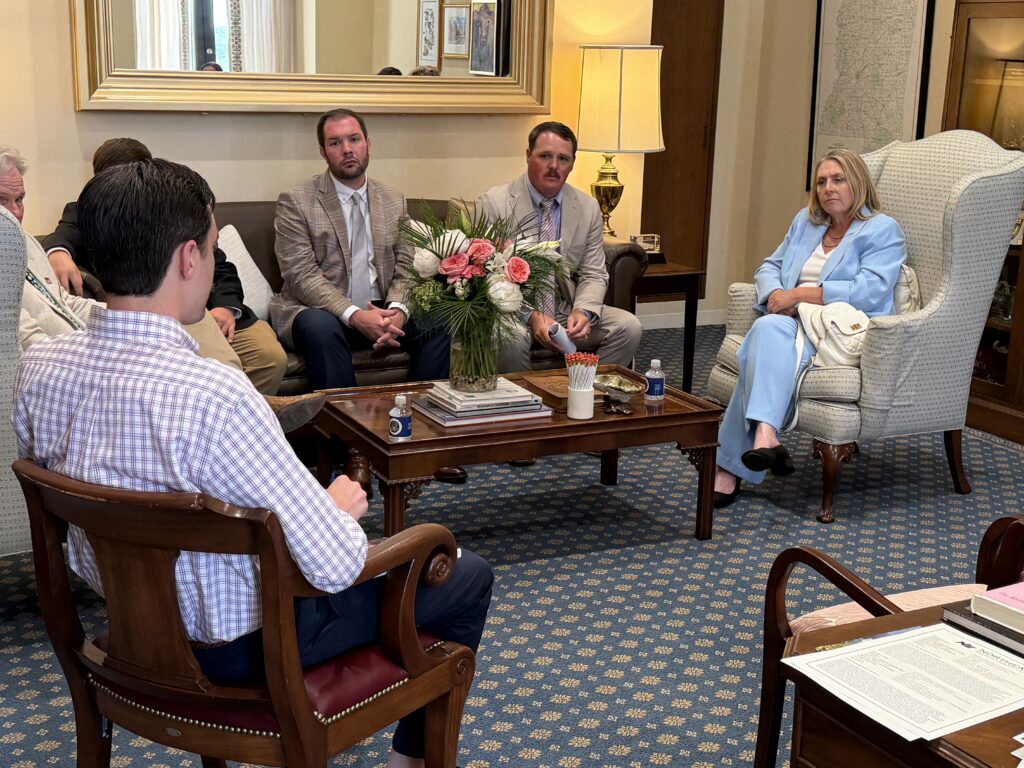
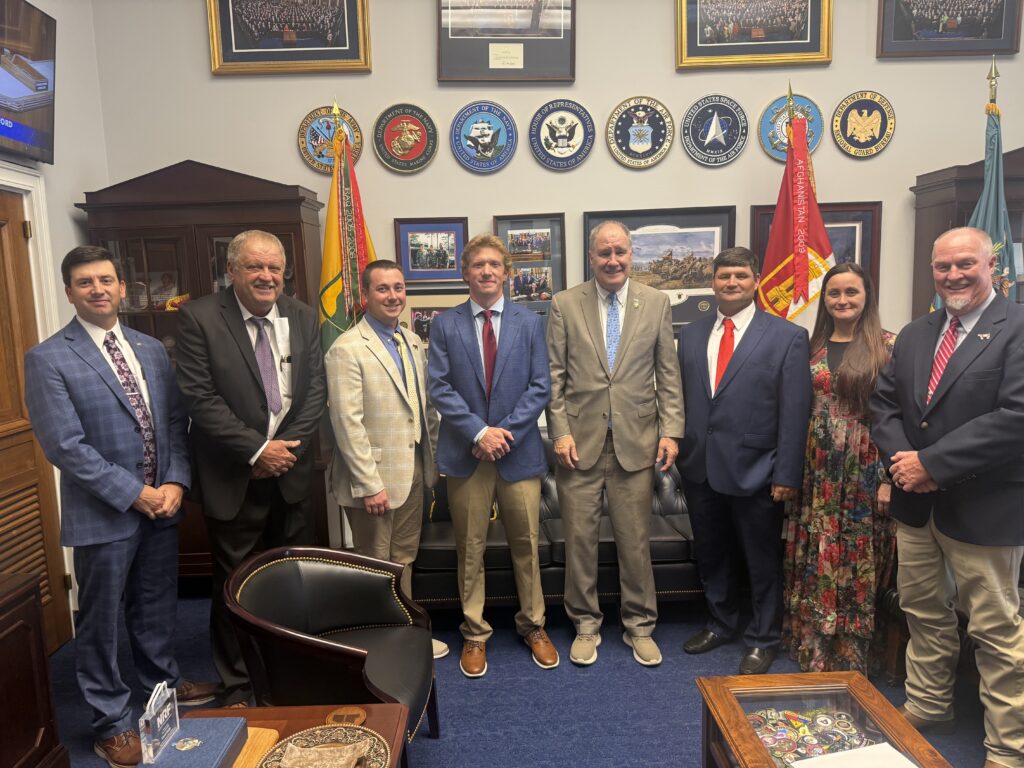
By the next morning, the group was on Capitol Hill—meeting with members of Mississippi’s Congressional delegation and agricultural leaders across multiple offices.
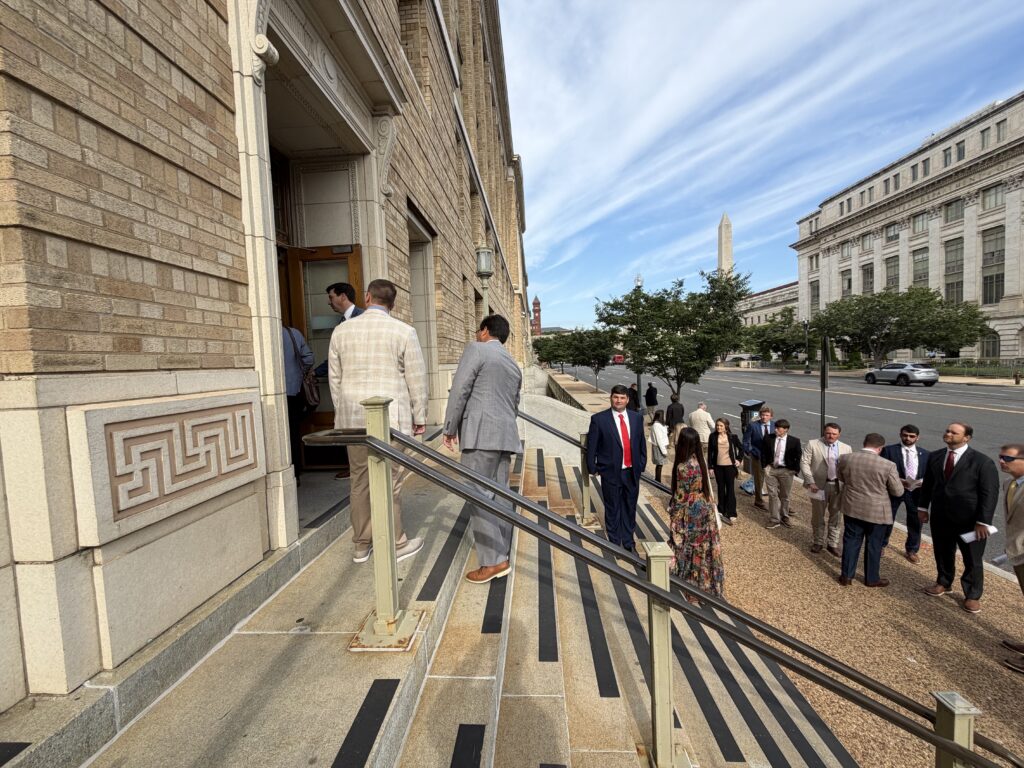
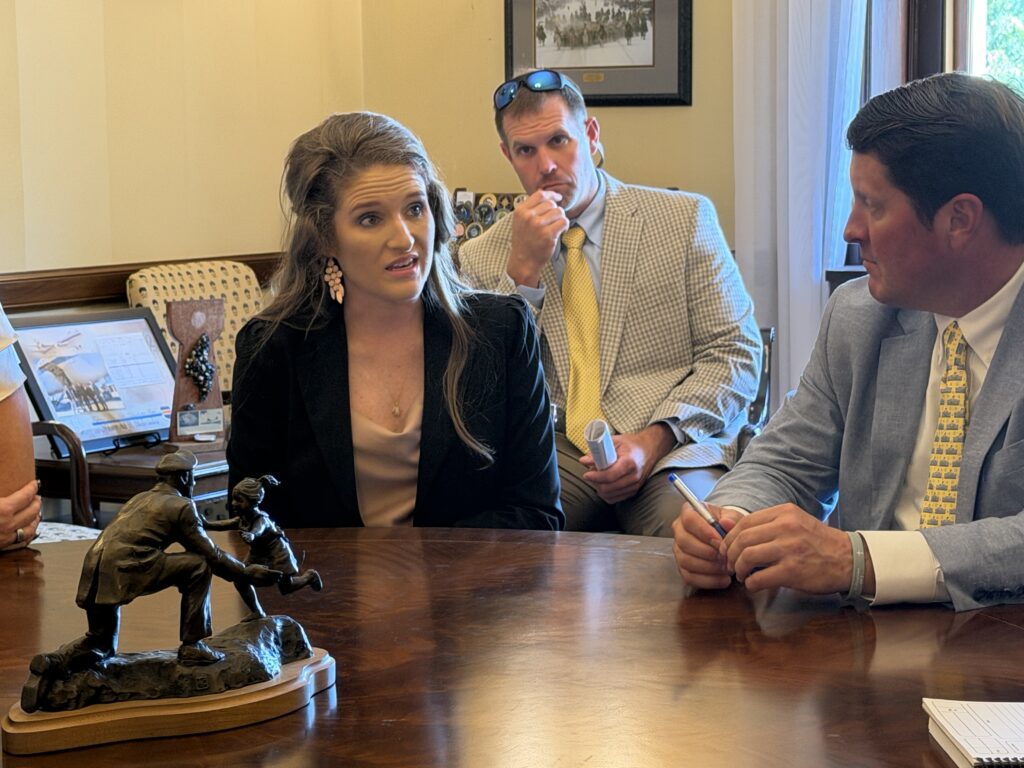
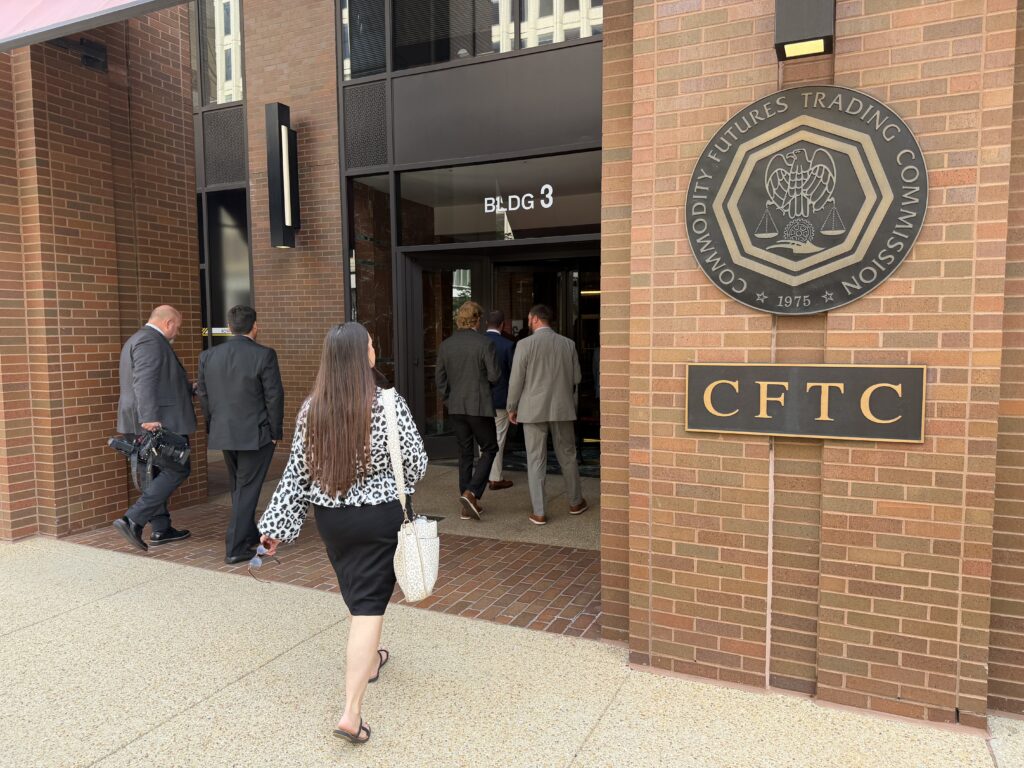
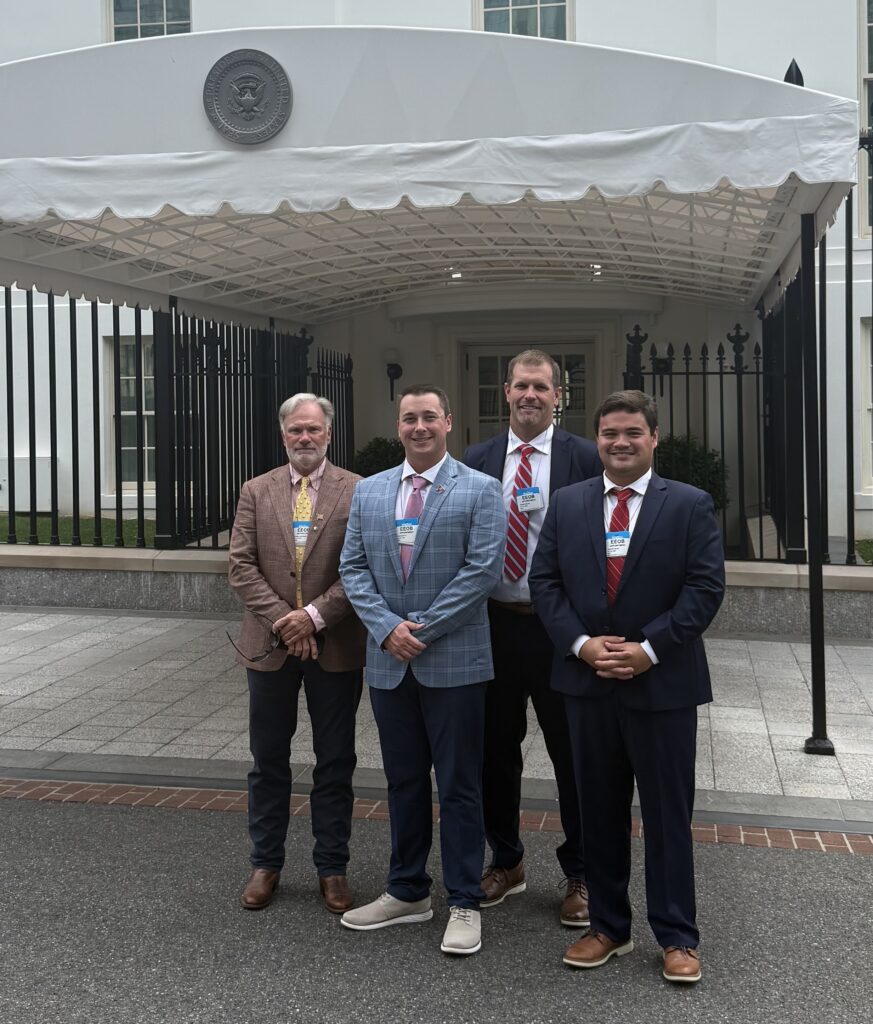
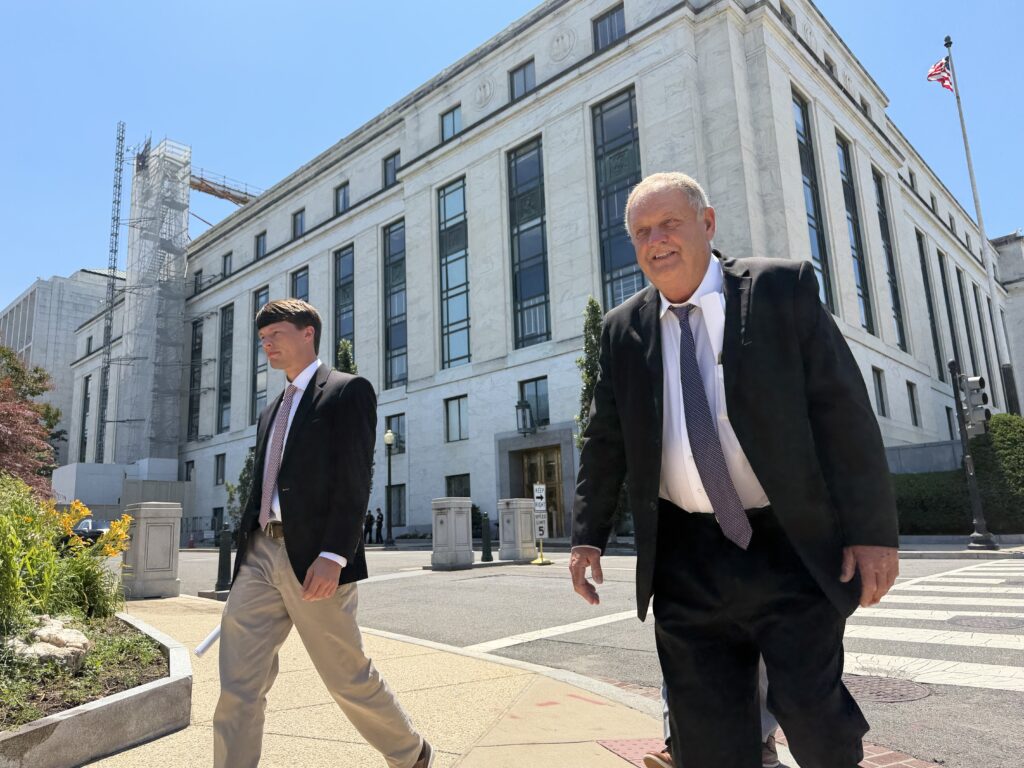
From the Senate and House office buildings to USDA and the White House complex, participants shared real-world perspectives from their farms and communities—ensuring decision-makers understand the challenges they face every day.
“I was kind of nervous, to be honest with you,” said Adam McAlpin, Hinds County member and Cal Maine manager. “You know, this is a big step for me outside of my comfort zone, being into this atmosphere in suits and ties. You know, I’m a general manager in a poultry outfit every day. It’s an eye opener and a true pleasure to get to join and do this.”
Throughout the trip, participants addressed key priorities—from the future of the Farm Bill to rising input costs and economic pressures on farm families.
They also highlighted the need for continued farm economic assistance as Mississippi producers face tightening margins and increasing financial stress.
“But we’re not seeing the margin because the input costs are so much more than they used to be. And so is it still a viable thing for our kids that want to farm?” said Wendy Vickers, Clay County member and cattle and hay producer. “Is it going to be an affordable option for them to still do that? And so we’re losing these family farms at an alarming rate.”
For cattle producers, concerns about animal health threats were top of mind—including the risk of the New World screwworm and its potential impact on the industry.
“That’s a big issue preventing that spread. You know, another threat to the cattle industry is not what we need. And, you know, being able to voice the concerns, you know, while we’re not one of the biggest operations, it is critical,” said Vickers.
Row crop producers also emphasized the importance of trade and policy decisions that influence commodity markets and long-term stability for farmers.
“As a as a cotton farmer, the Buy American Cotton Act is extremely important to me,” said R.G. Willis, Warren County member and row crop farmer. “So, you know, really was appreciative to have the opportunity to go to the Eisenhower building and get to talk to some of the president’s staff.”
Discussions also focused on staffing shortages at local Farm Service Agency and NRCS offices—critical resources for farmers seeking support and conservation assistance. Top of mind for Hillary Whittington because she is an FSA employee.
“It’s important for us in that community to have a voice to, to be able to come and speak with those who put a vote on, on topics that affect you and your daily business, in your livelihood,” said Hillary Whitttington, Winston County member and cattle producer. “In my case, and for me, that was the top priority and most important part of this trip.”
For many participants, the experience was about more than policy—it was about understanding the process and the role Mississippi Farm Bureau Federation has within it.
“It’s really opened my eyes as to what Farm Bureau does for me as a farmer. I did not realize that that was my biggest asset as a farmer, but this trip showed that to me,” said Willis.
“It’s a true respect for what they do for our community, state and the nation as far as what they do for us,” said McAlpin.
From policy briefings to congressional meetings, these Mississippi Farm Bureau members made sure their voices were heard—advocating not only for their own operations, but for the future of agriculture across the state. Plus, finding out, together, as one, their voices can be very loud indeed.
“Absolutely. I can tell you my membership will not be lapsing. My, I’ve been a Farm Bureau membership for several years now, and it it is the best investment that you can absolutely make,” said Whittington.