
Capitol Comments – Mississippi State Legislature Week 4 Update
As the Mississippi Legislature ends its fourth week of the 2026 Regular Session, lawmakers are shifting from bill introductions to committee deliberations and early floor action. For Mississippi farmers, ranchers, and rural communities, this phase of the Session is critical. Decisions made in committee rooms over the coming weeks will determine which ideas move forward—and which do not.
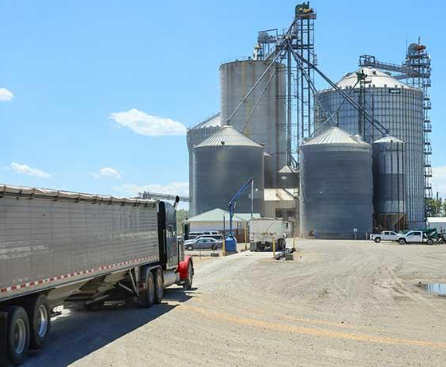
One of the most closely watched issues this Session is the creation of a voluntary grain indemnity fund, introduced through House Bill 1647 and Senate Bill 2631.
These bills were filed in response to bankruptcies of grain merchandisers that have left grain producers across our state facing significant uncertainty and financial exposure. Under the proposals currently before the Legislature:
- Participation would be voluntary
- Producers who opt in would contribute 0.2% of marketed grain into a dedicated indemnity fund
- Contributions would continue until the fund reaches $25 million
- In the event of a licensed grain dealer or merchandiser insolvency, the fund would reimburse verified losses, after accounting for other recoveries such as insurance or bankruptcy distributions
Similar indemnity programs exist in other grain-producing states and have proven to be effective risk-management tools when market disruptions occur. Mississippi Farm Bureau supports continued discussion on this issue to ensure that any program adopted is producer-driven, financially sound, and structured in a way that protects farmers without creating unnecessary regulatory burdens. Both bills remain active, and discussions are ongoing regarding program structure, eligibility, and administration.
Mississippi Farm Bureau remains committed to advocating for policies that protect farmers and ranchers from unnecessary risk, strengthen rural communities, preserve private property rights, and support the long-term viability of Mississippi agriculture. We encourage members to stay engaged, follow updates, and continue sharing real-world experiences with policymakers. Your input remains essential as these decisions move forward.