
Capitol Comments: This Week at the State Capitol January 20th-24th Bills to Watch
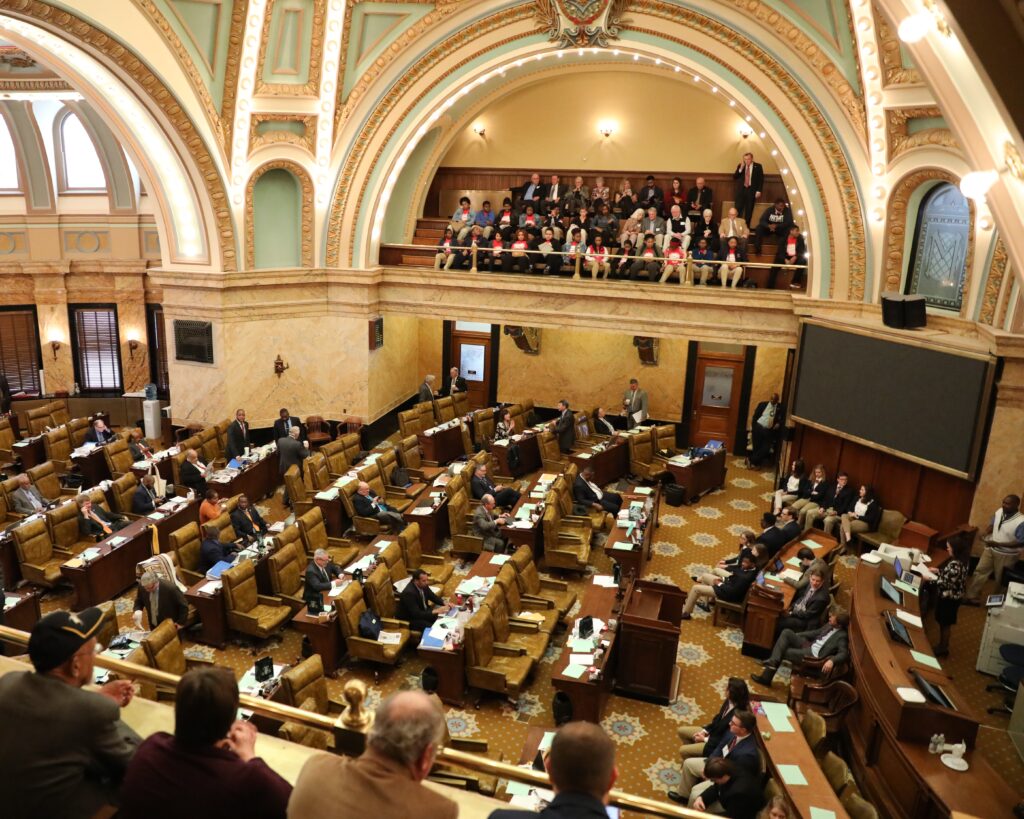
The Mississippi Legislative Session is in full swing, and with key deadlines fast approaching, Mississippi Farm Bureau Federation (MFBF) is closely tracking legislation that could have a major impact on agriculture across the state. On January 20, the Mississippi legislature reached its second major deadline for introducing bills and constitutional amendments. As the Session moves forward, important dates loom on the horizon, and MFBF is committed to keeping stakeholders informed of developments that could affect Mississippi’s farmers and ranchers.
The coming weeks will be pivotal for the fate of many bills currently under consideration. Key deadlines include:
- Monday, February 4: Committees must report general bills and constitutional amendments.
- Thursday, February 13: Floor action on general bills and constitutional amendments will take place.
- Friday, February 14: This is the final deadline for reconsideration and passage of general bills and constitutional amendments originating in their respective chambers.
As the clock ticks toward these deadlines, MFBF is closely following several pieces of legislation that align with the Federation’s state policy book and priorities for agriculture.
One of the most significant bills being tracked this Session is Senate Bill 2257, introduced by Senator Chuck Younger. This bill directly addresses the Harvest Permit law, a piece of legislation that has required the Mississippi legislature to extend its repealer every four years. Under the current law, legislators are forced to revisit the Harvest Permit every few years to ensure its continuance, creating uncertainty for the upcoming harvest season. SB 2257 seeks to eliminate the repealer, allowing the Harvest Permit to remain in place without change and without the need for repeated legislative action. The bill would provide much-needed stability for Mississippi farmers and ranchers, ensuring the permit continues without interruption.
Other bills gaining attention are Representative Bill Pigott’s House Bill 637 and Senator Andy Berry’s Senate Bill 2804, which would provide tax relief to farmers by allowing the retail sale of fencing materials and cattle trailers for agricultural purposes to be taxed at a reduced rate of 1.5%. In addition, the bill also applies the reduced tax rate to parts and labor used to maintain or repair cattle trailers. This measure could provide much-needed financial relief, where maintaining equipment is an essential yet costly part of everyday operations.
In a move that has raised concerns federally within the agricultural community, House Bill 1006 authored by Representative Bill Pigott, seeks to regulate the manufacture, sale, or distribution of food products produced from cultured animal cells. The bill would prohibit such products from entering the market, with penalties for any violations. This legislation aims to protect traditional animal agriculture from the rise of lab-grown or cultured meat alternatives, while also empowering the Mississippi Department of Agriculture and Commerce, as well as the State Department of Health, to establish rules and regulations for enforcement.
House Bill 1585, authored by Representative Celeste Hurst, focuses on municipal elections and proposes changes to the process by which candidates are elected. The bill stipulates that any candidate receiving a majority vote in a municipal election will be elected outright. If no candidate receives a majority, a runoff election will be held three weeks later. While this bill does not directly impact agriculture, its potential influence on local governance could have indirect effects on agricultural policy at the municipal level.
Finally, House Bill 287 introduced by Representative Jon Lancaster and Senate Bill 2383 introduced by Senator Ben Suber, would designate the sweet potato as Mississippi’s official state vegetable. This seemingly symbolic piece of legislation is an important recognition of the vital role that sweet potatoes play in the state’s agricultural economy. Mississippi is a leading producer of sweet potatoes, and this bill serves as a reminder of the importance of supporting and celebrating local crops and agricultural products.
With these critical deadlines approaching and several key pieces of legislation still in play, Mississippi Farm Bureau Federation is committed to staying on top of the issues that matter most to farmers and ranchers across the state. We will continue to monitor the legislative process closely and provide updates as new developments arise.