
EU deforestation rules shaping U.S. timber contracts, hitting ag land conversions
by Oliver Ward, Agri-Pulse Trade Editor
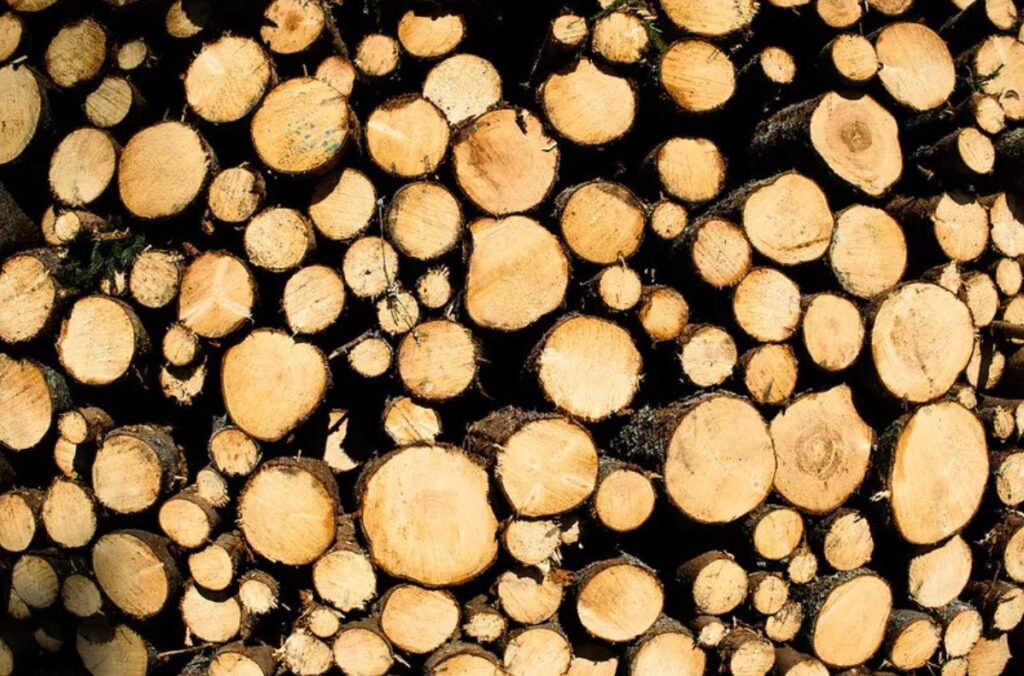
A procurement forester was preparing to clear timber from part of some 300 acres of Mississippi land in August. But when he passed along the coordinates of the land parcel to the buyer – a standard traceability practice – the buyer suddenly asked a question he wasn’t expecting.
The buyer was Georgia-Pacific, one of the world’s largest producers and distributors of paper, pulp, tissues, packaging and other forestry products, and the predominant buyer of Mississippi-grown timber. But the company had noted that the landowner had converted some land from timber production to another agricultural use in 2024. If the owner had similar plans for this land parcel, Georgia-Pacific said, the company wouldn’t buy any of the cleared timber.
“They were not going to let me harvest it and bring it to them for any price,” the procurement forester told Agri-Pulse. The forester, like others in this story, requested anonymity over fears that speaking to the media would get him blacklisted in the industry.
Georgia-Pacific ultimately agreed to accept the wood, but only after the landowner signed a document to attest that they would not convert the land to pasture or row crops after the land was cleared.
Multiple timber producers and dealers are reporting similar experiences when dealing with major wood buyers across the southern U.S. this year.
Georgia state Sen. Russ Goodman, who chairs that state’s Agriculture and Consumer Affairs Committee, recently heard about a dairy producer in northern Georgia who wanted to cut 150 acres of timber to create new cropland. The two mills in his area wouldn’t take the wood because he planned to convert the land to agricultural uses.
“This is not just an isolated incident,” Goodman said at a summit in Georgia last month.
Behind the increased interest in what landowners plan to do with their land after clearing timber is a proposed rule in the European Union aimed at curbing international deforestation. The regulation is not in effect yet, and likely won’t come into effect until at least the beginning of 2027. It is also not clear whether the U.S. will be subject to the full extent of the regulation after the EU agreed to revisit U.S. producers’ concerns as part of recent trade negotiations.
But major timber exporters like Georgia-Pacific are quietly changing their contracts to ensure their supply chains are compliant, rankling landowners and putting pressure on intermediaries.
Enforceable texts
The EU accounts for less than 10% of total U.S. forest product exports, according to Agriculture Department data. Much of these come from the southeastern United States.
Timber sold to companies like Georgia-Pacific can take a year or more before it ends up in a final product destined for the European market, according to Michael Beardsley, executive director of the Southeastern Wood Producers Association. Accordingly, companies exporting to Europe have to make decisions around regulatory compliance months out to avoid being left holding large volumes of timber that can’t be exported.
 (Forest Service photo)
The EU’s deforestation regulation, which requires importers of commodities like timber, cattle, coffee and soybeans to prove their products are not linked to deforestation, was initially set to come into effect at the end of the year, before the European Commission proposed extending its implementation late last month.
Companies had already begun preparing, however. A contract between Georgia-Pacific and a timber seller signed this year and obtained by Agri-Pulse includes language that says the seller acknowledges the timber has not been retrieved from land set for conversion to agricultural or livestock uses.
Multiple industry figures Agri-Pulse interviewed for this story said that International Paper, another major timber buyer, had begun inserting similar clauses in its contracts.
Georgia-Pacific and International Paper did not respond to multiple requests for comment. Other major timber exporters and buyers, including Weyerhaeuser and West Fraser, didn’t respond to repeated requests either. Sierra Pacific declined to comment.
In places like Mississippi and Georgia, where Georgia-Pacific is the leading – and in some regions, only – buyer of timber, dealers, foresters and intermediaries have limited leverage to push back on the terms and have little choice but to sign the contracts.
“You can’t sell any timber unless you sign this agreement,” said Ricky Ruffin, an attorney and timber grower in Bay Springs, Mississippi.
Passing the legal buck
As written, the EU regulations apply to any “operators or traders” that sell covered commodities onto the EU market. But Ruffin pointed out that the timber exporters are trying to protect themselves by passing along some of the financial risks to dealers and intermediaries.
“If the sawmills determine that you’re in violation, they can come back and pursue voluntary damages from those intermediaries,” Ruffin said.
Related Articles
EU: Some U.S. ag exports to get tariff-rate quotas in trade pactU.S, EU spar over Spanish olives as EU readies retaliatory tariffsTrump hits Canada, Mexico, EU with tariffs; US ag braces for impact
Technically, he added, the exporters could already pursue dealers that sell deforested timber in the courts, despite the EU regulation not coming into effect yet, because the language is already in the contracts.
“If you sign the contract, that’s what you’ve got to live up to,” Mississippi Farm Bureau President Mike McCormick told Agri-Pulse, regardless of what the EU does next.
Loggers and intermediaries, McCormick said, are concerned they could lose contracts with major exporters. Some are asking landowners to sign attestations that pledge not to plant row crops or convert the land to pasture once it is cleared. Others, including the procurement forester in Mississippi, are still working out how to approach the issue.
Scot Teverino, the owner of North Georgia Timber, a timber procurement company in Marietta, Georgia, told Agri-Pulse he intends to seek legal advice if deforestation language shows up in his next agreement with Georgia-Pacific.
“Eventually, we definitely need to address it,” Teverino said.
The Mississippi forester said he intends to update the language in his contracts with landowners in the coming months to have them attest not to convert the land. But he is bracing for pushback.
“It’s going to anger a lot of landowners,” they said.
“The EU is holding GP responsible, and then so GP is holding the buyers responsible, and then so the buyers are having to hold the landowners responsible,” a forestry consultant told Agri-Pulse, referring to Georgia-Pacific.
My land, my profits
In addition to his law practice, Ruffin maintains a small farming operation, with about 30% of the land devoted to timber growth, and 60% in pasture and cattle operations. With beef prices at record highs, like many other farmers and growers, he said he is planning on converting more land to cattle.
 Mike McCormick (Mississippi Farm Bureau photo)
Across the South, landowners are facing increasing financial pressure to convert their timber growth into other agricultural uses, and these new contract provisions are creating an environment of distrust.
“Timber prices are tremendously, tremendously depressed,” McCormick said. “You’re forcing me to plant something back that has no value to it whatsoever.”
Multiple industry figures told Agri-Pulse that they believed companies like Georgia-Pacific were quick to update their contracts because they see the provisions as a way to ensure adequate future timber supply and keep prices low.
“Of course, Georgia-Pacific is going to go along with it,” Ruffin said. “To me it’s an unconscionable and unalienable right … to put what you want to on your land. And now that’s being restricted by countries outside of the United States.”
The Mississippi procurer agreed that from the perspective of these large timber exporters, taking steps to prevent landowners pivoting to other commodities makes “all the business sense in the world.”
An effort is underway to raise the issue with administration officials. McCormick said that the Mississippi Farm Bureau has made Agriculture Secretary Brooke Rollins aware of the situation in Mississippi, and he hopes administration officials will prioritize securing adjustments to the deforestation proposal in ongoing U.S.-EU trade discussions.
“The administration has been helpful and understanding of the issues, and we’re hopeful that they’re going to take our concerns through trade negotiations to try to get some relief from this practice,” McCormick said.
“That’s truly the only way we’re going to get it fixed.”
For more agriculture news, go to: www.Agri-Pulse.com