
Mississippi Producers Look Ahead to 2026 with Cautious Optimism at Magnolia Beef and Poultry Expo
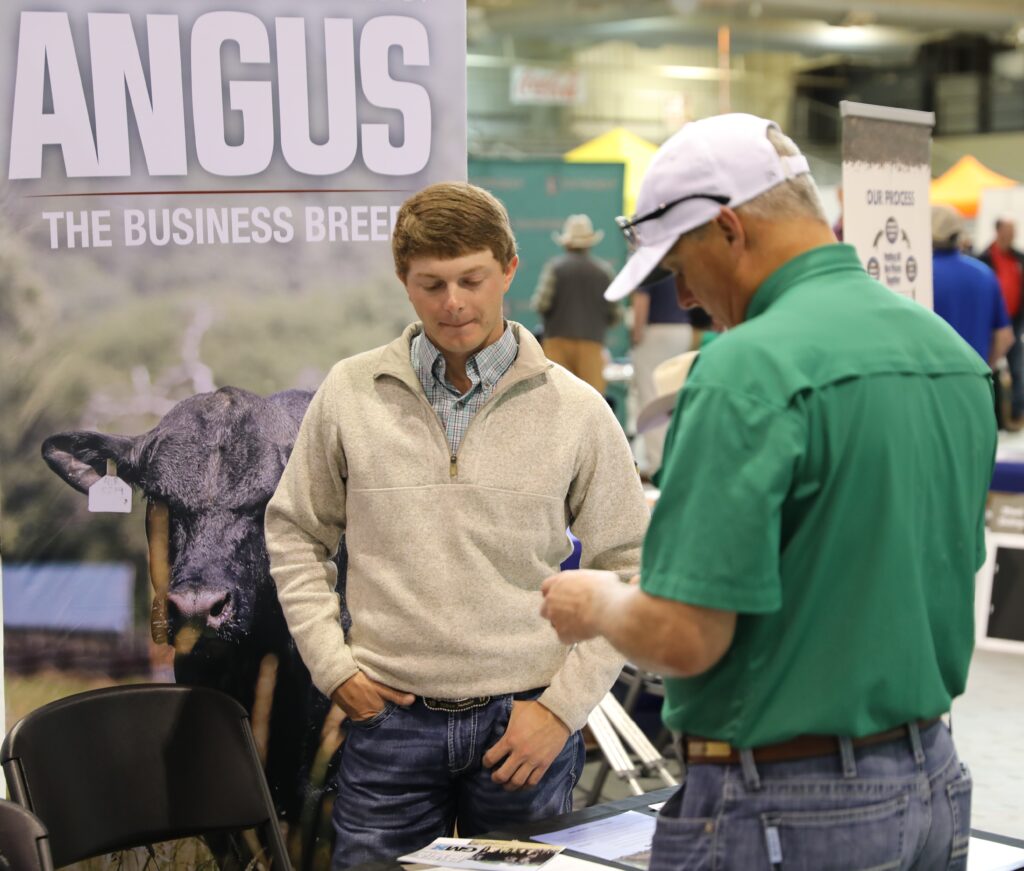
Farmers from across Mississippi gathered in Laurel for the Magnolia Beef and Poultry Expo with one thing on their minds: preparing for what lies ahead. While input costs, fuel prices and market uncertainty remain top concerns, producers agree that strong demand, collaboration and support from the Mississippi Farm Bureau Federation are helping them position their operations for 2026 and beyond.
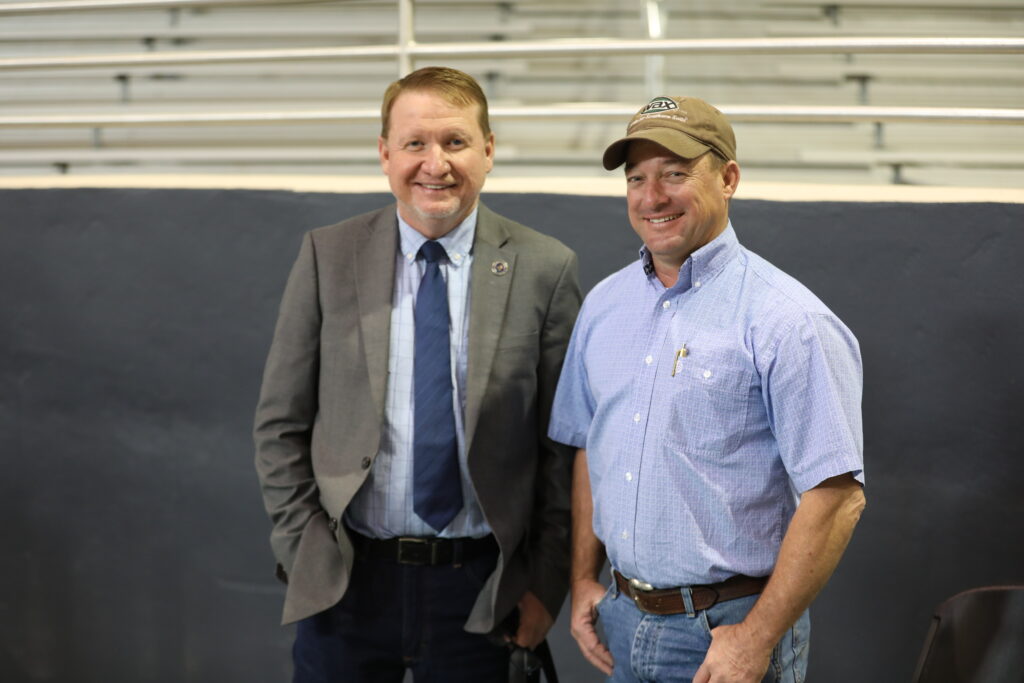
For MFBF’s South Mississippi Vice President, Jeff Easterling, Farm Bureau’s role goes far beyond policy advocacy in Washington or Jackson.
“As we are the voice of agriculture, when we look at issues, we take them from a policy standpoint,” Easterling said. “But sometimes we’ve got to get back into what is practical here in the day-in, day-out operations of what we do.”
That practical focus, Easterling said, is what makes Farm Bureau a reliable partner for farmers navigating an unpredictable future. From policy engagement to on-farm best practices, MFBF works to ensure producers have the tools and knowledge they need to succeed.
“We’re basically like a broad-spectrum drug,” he said. “We can help people in a lot of ways — not just through policy — but also through the daily practices to help them be better farmers so that we can ensure the next generation a place to farm.”
Strong Markets, Smart Management
For Jones County poultry producer Kirby Mauldin, the outlook heading into 2026 is encouraging, especially on the chicken side.
“Right now, everything looks really good, chicken marketwise,” Mauldin said. “The demand is there.”
While Mauldin acknowledged rising fuel prices as a concern, lower grain prices for livestock feeders are helping soften the blow. Fertilizer availability has also created opportunities for collaboration between poultry, row crops and cattle producers.
“We’re able to supplement commercial fertilizer with chicken litter,” he said. “That helps row crop guys, and it helps us. It cuts costs tremendously.”
Mauldin said poultry litter has become a vital resource across agricultural sectors.
“We sell a lot of chicken litter to row croppers,” he said. “They’re carrying it and putting it on row crops, and that’s going to help them tremendously.”
Beef Producers Navigate High Prices and High Costs
On the beef side, Josh Upton, a Jones County cattle producer and beef commodity committee member, says markets are presenting both opportunity and caution.
“With the cattle market being at an all-time high right now, for cow-calf guys it’s great,” Upton said. “But input costs worry more.”
Diesel hovering near five dollars a gallon and fertilizer prices remain top stressors, but Upton said producers are adapting.
“There’s still some money to be made,” he said. “Producers are pretty happy right now, but folks are being more careful with fuel, fertilizer and expenses.”
Upton said Mississippi Farm Bureau and events like the Magnolia Beef and Poultry Expo play a critical role in helping farmers prepare for what’s next.
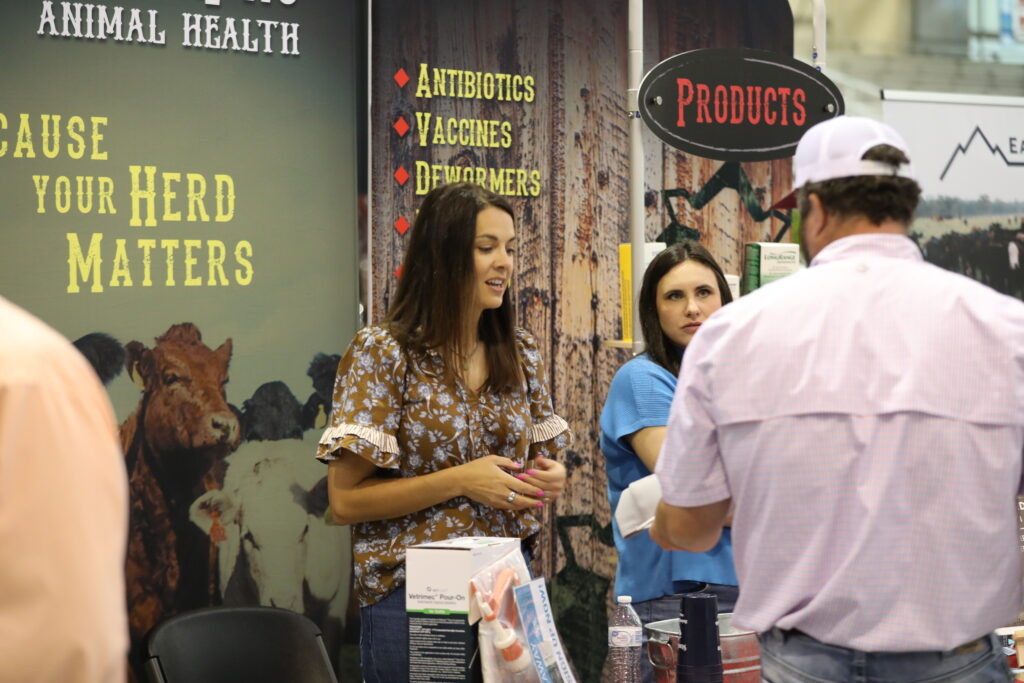
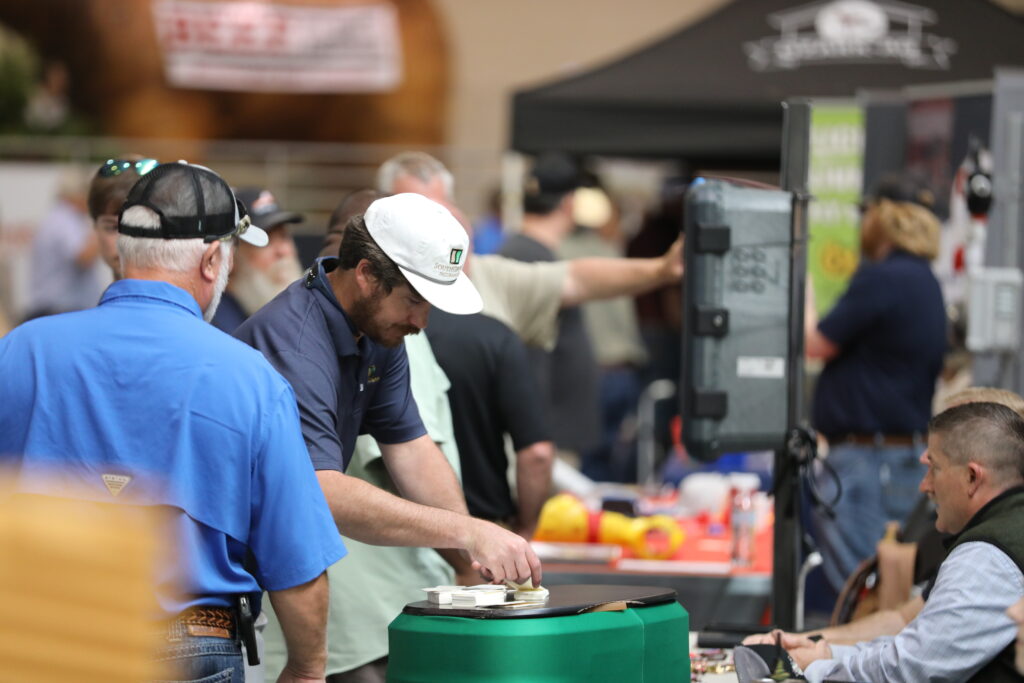
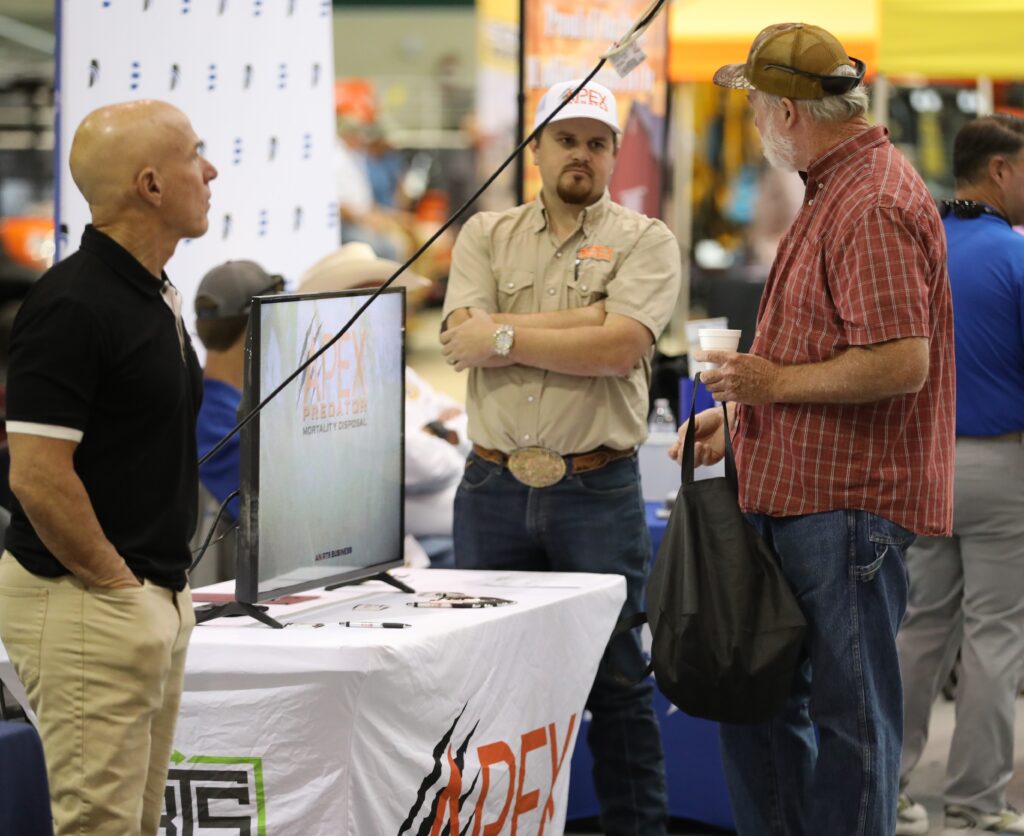
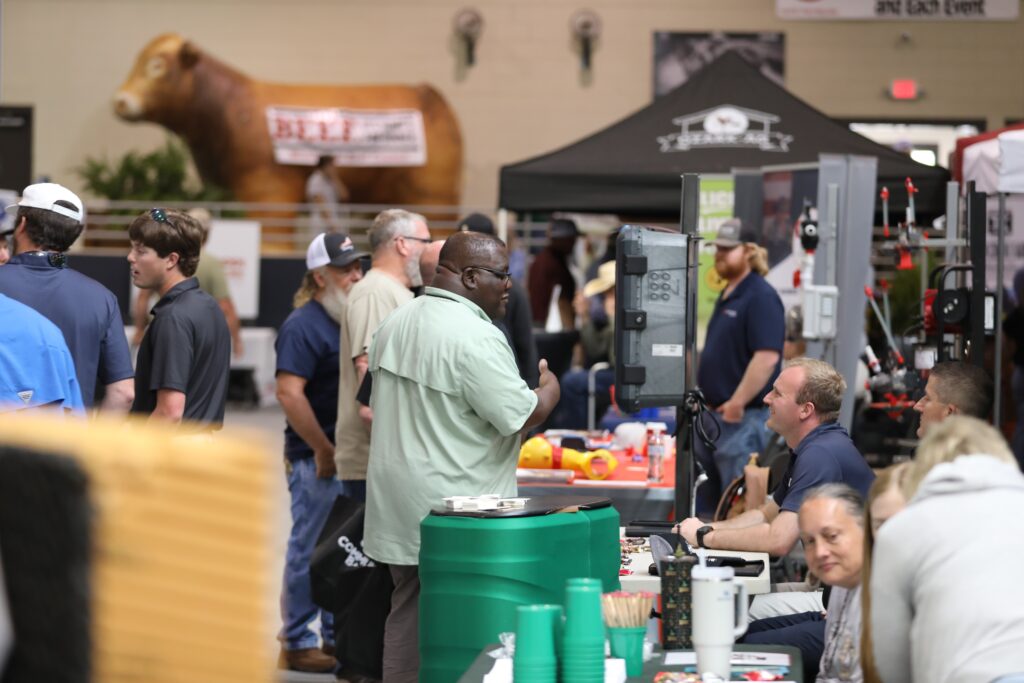
“Just to meet and greet, talk to guys — how they do things different, what’s new in vaccines, equipment, technology,” he said. “Technology is a big part right now.”
Learning, Networking and Preparing for the Future
For smaller-scale producers like Andrew Richardson of Jasper County, managing rising costs is a daily challenge. Richardson said he’s adjusting by being more conservative with fuel usage and shopping carefully for inputs.
“The cost of everything has skyrocketed,” Richardson said. “Fuel, fertilizer — it’s escalating things quite considerably.”
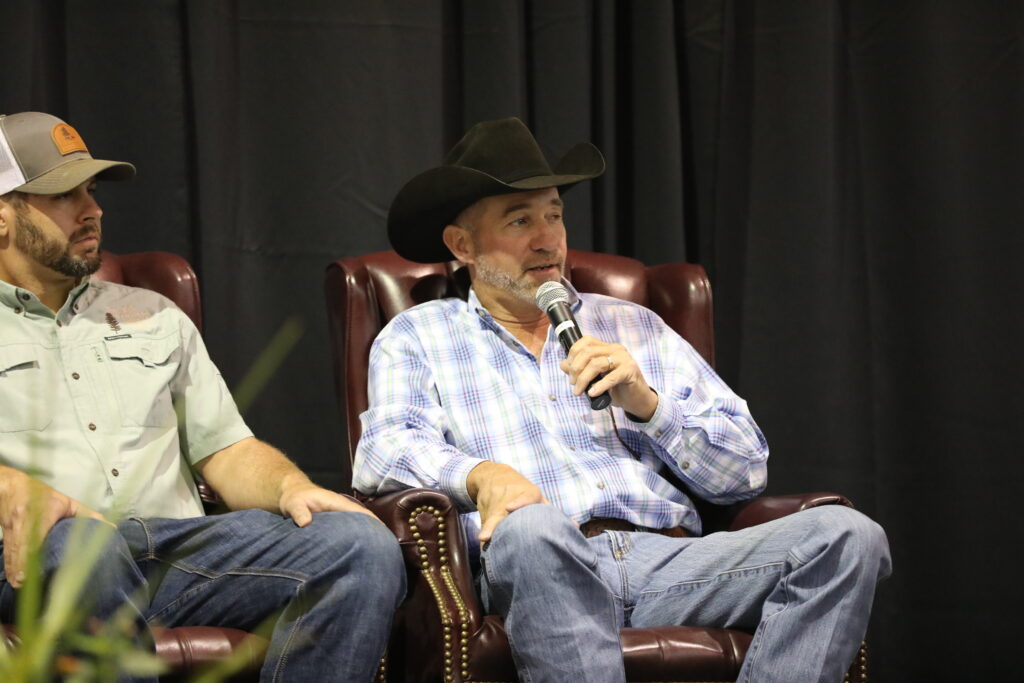
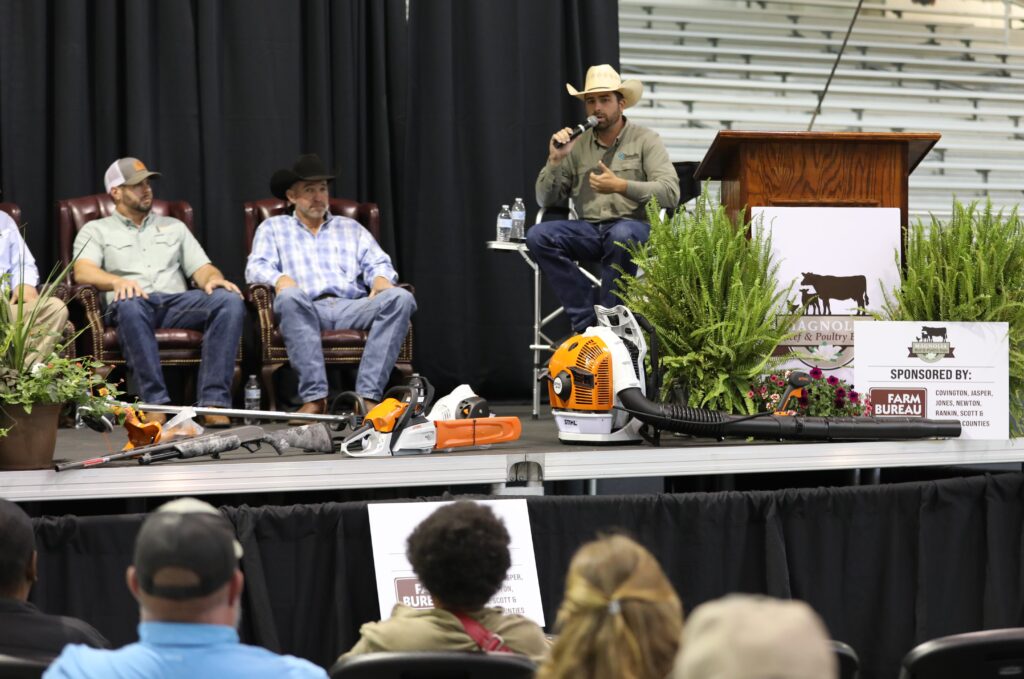
Taking part in a panel discussion with other livestock producers, Easterling emphasized that as agriculture heads into 2026, success will hinge on fundamentals while Richardson says events like the Magnolia Beef and Poultry Expo keep lines of communication open between producers
“You can only manage what you can manage,” Easterling said. “We have to go back to the basics, the fundamental principles of what we do each and every day. If the foundation is right, the building will stand.”
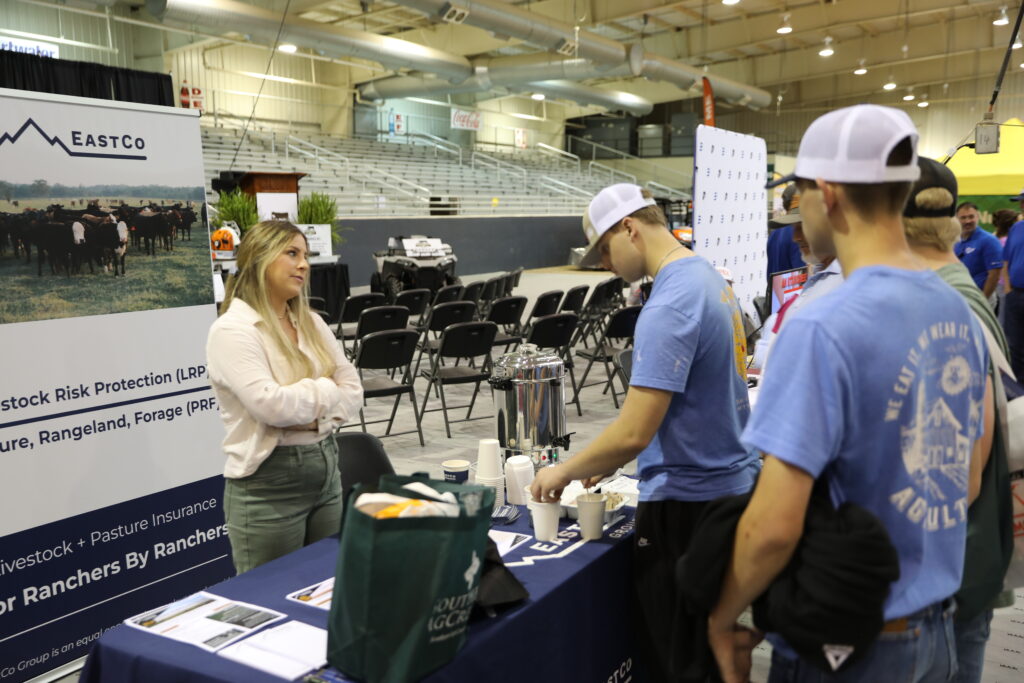
“It’s sharing, talking to others, getting different ideas,” Richardson said. “You get to look at the latest equipment, and it’s quite knowledgeable.”
That exchange of ideas is exactly what Farm Bureau hopes to foster, highlighting how interconnected Mississippi agriculture has become —sharing solutions that keep farms viable.