
What You Need to Know from the State Capitol, March 3rd-7th

As the 2025 Mississippi Legislative Session progresses, several agriculture-related bills remain alive following the March 3rd deadline for action from the opposite chamber’s committees on general bills. These bills cover a wide range of topics, from expanding labeling requirements for seafood to tax exemptions for agricultural equipment, as well as updates to agritourism regulations and agricultural product labeling standards. As week 9 ends, here is a look at just some of the agriculture bills we are tracking, along with some upcoming deadlines. Please click on each bill individually to see its progress.
Key Upcoming Deadlines:
· Wednesday, March 12: Deadline for original floor action on general bills and constitutional amendments originating in the opposite chamber.
· Thursday, March 13: Deadline for reconsideration and passage of general bills and constitutional amendments originating in the opposite chamber.
· Friday, March 14: Deadline to dispose of motions to reconsider general bills and constitutional amendments originating in the opposite chamber.
Bills Still Alive and Moving Through the Mississippi Legislature:
House Bill 602 – Expanding Country of Origin Labeling for Seafood
This bill now consists of a strike-all that creates the “Mississippi Seafood Labeling Task Force,” which will be charged with developing a comprehensive report by January 1, 2027. The task force is asked to address seafood labeling laws, genetic testing, and marketing strategies to promote locally sourced seafood. Current law mandates transparency for shrimp and crawfish being sold local or from a foreign body of water, but requests have been made for expansion of labeling laws.


House Bill 1851 – Ad Valorem Tax Exemption for Agricultural Equipment
This bill focuses on improving the tax climate for agricultural dealers by exempting tractors, agricultural implements, and equipment from ad valorem taxation when held by bona fide dealers for sale. This exemption applies when these items are held on a floor plan, consignment, or similar basis. The exemption, if passed, will go into effect on January 1, 2026, giving dealers time to adjust to the changes and further support the agricultural sector.
House Bill 1295 & Senate Bill 2264 – Agritourism Regulations Update
Both bills aim to update Mississippi’s agritourism regulations. The bills clarify that agritourism activities must be conducted on locations that are registered with an agritourism professional. Additionally, these bills update signage requirements and contract regulations for agritourism businesses. Under current law, agritourism signage must be displayed at the entrance of the agritourism location and at the site of every activity. These bills would require signage only at the entrance of the agritourism location.
House Bill 287 & Senate Bill 2383 – Sweet Potato as the Official State Vegetable
Mississippi is considering designating the sweet potato as its official state vegetable, a move that highlights the agricultural and culinary importance of this crop. This legislation is set to take effect on July 1, 2025, if passed, further cementing the sweet potato’s role in Mississippi’s heritage and economy.
Senate Bill 2266 – Sales Tax: Agricultural Exemptions and Reduced Rates
This bill would require the Mississippi Department of Revenue to publish a list of agricultural items eligible for sales tax exemptions or reduced rates for commercial farmers. This bill clarifies the items such as farm tractors, agricultural implements, and manufacturing machinery, which would be subject to a 1.5% sales tax rate. By August 1, 2025, if the bill is passed, the Department of Revenue must release a comprehensive list outlining the eligible items for exemption, aiming to streamline tax benefits for commercial farmers.
House Bill 1296 & Senate Bill 2025 – Labeling Requirements for Plant & Soil Amendments
These bills seek to make the Mississippi soil amendment law registration process consistent with the national standard regarding Plant Biostimulants. This change will streamline the product registration process for the Department of Agriculture and companies. The update will ensure transparency and compliance with national guidelines, aligning with the Association of American Plant Food Control Officials (AAPFCO).
Senate Bill 2204 – Reporting Stolen Agricultural Equipment
SB 2204 mandates that all agricultural-related thefts be reported to the Mississippi Agricultural and Livestock Theft Bureau, strengthening the fight against equipment theft. Law enforcement and commercial entities dealing with agricultural vehicles would be required to report theft, burglary, or attempted theft. This bill is aimed at improving agricultural security across the state.
House Bill 953 & Senate Bill 2257 – Harvest Permit Repealer
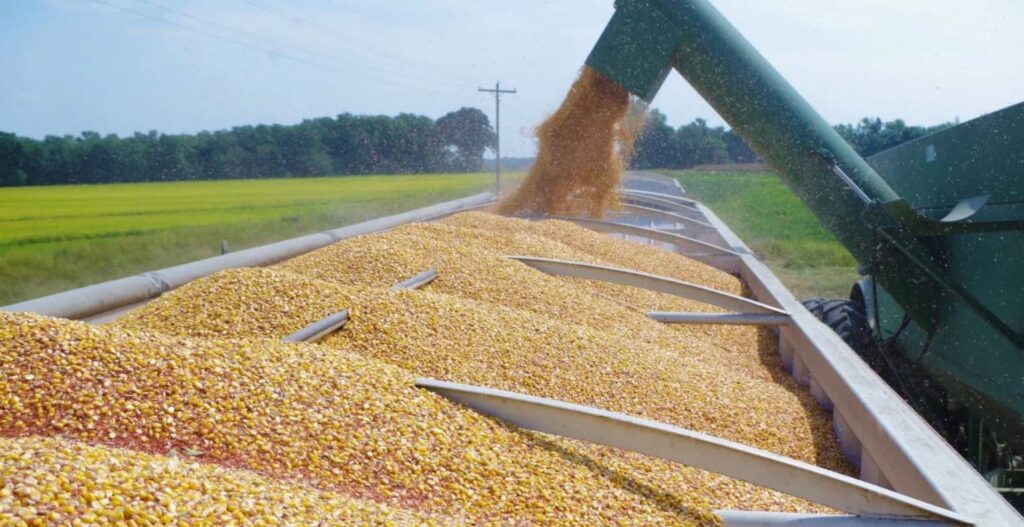
HB 953 seeks to extend the expiration date of laws (repealer) that set maximum weight limits for harvest vehicles for 3 years, while SB 2257 removes the repealer on provisions related to weight limits and route approvals for harvest vehicles, better known as the Mississippi Harvest Permit. Without an extension or deletion of the repealer, the Mississippi Harvest Permit would no longer be law. These bills help ensure that harvest-related transport is efficient while complying with state regulations.
House Bill 1878 & Senate Bill 2968 – Ad Valorem Tax; Provisions for Determining the True Value of Rural Structures
These bills amend parts of the Mississippi Code to specify provisions for determining the true value of rural structures for ad valorem tax purposes. The legislation requires recalculating the true value of any rural structure appraised before January 1, 2025, for subsequent tax years based on new guidelines. The tax assessor must follow the Department of Revenue Appraisal Manual, distinguishing between structures in operation before and after the specified date. The bill establishes a depreciation rate of 7% per year for rural structures, ensuring that poultry houses’ net depreciation does not fall below 20% of the original value. A 45% adjustment for economic obsolescence must also be applied to all poultry houses used in commercial farming operations.
House Bill 913 – Meat Labeling Requirements
This bill focuses on ensuring proper labeling of meat and meat substitute products to prevent consumer confusion. It requires that all meat products be clearly labeled with their origin, and it enforces penalties for mislabeled products. Additionally, this bill mandates that food establishments prominently display whether a product is a meat alternative, such as cultivated proteins or insect-based foods, and establishes educational policies for institutions to avoid purchasing misbranded products.
House Bill 1006 – Ban on Cell-Cultured Animal Products
HB 1006 prohibits the manufacture, sale, or distribution of food products made from cultured animal cells in Mississippi. It ensures that any product made from cultured animal tissue is not misleadingly labeled as meat, and that all meat products sold in Mississippi are properly inspected and labeled. This bill aims to protect consumers from potentially misleading food labeling.
With several agriculture-related bills still alive following the general bill deadline, Mississippi lawmakers are continuing to focus on issues that affect the state’s agricultural community. From seafood labeling to tax exemptions and agritourism regulations, these bills reflect a broad range of efforts to support and enhance Mississippi’s agriculture industry.
As the session moves forward, it’s crucial for agricultural stakeholders to stay informed about the progress of these bills. Mississippi Farm Bureau Federation will continue to monitor these bills closely and provide updates as necessary. Stay tuned for more developments and thank you for your continued engagement in legislative matters